Managing Complex Projects: Advanced Strategies for Developing Technical Assignments

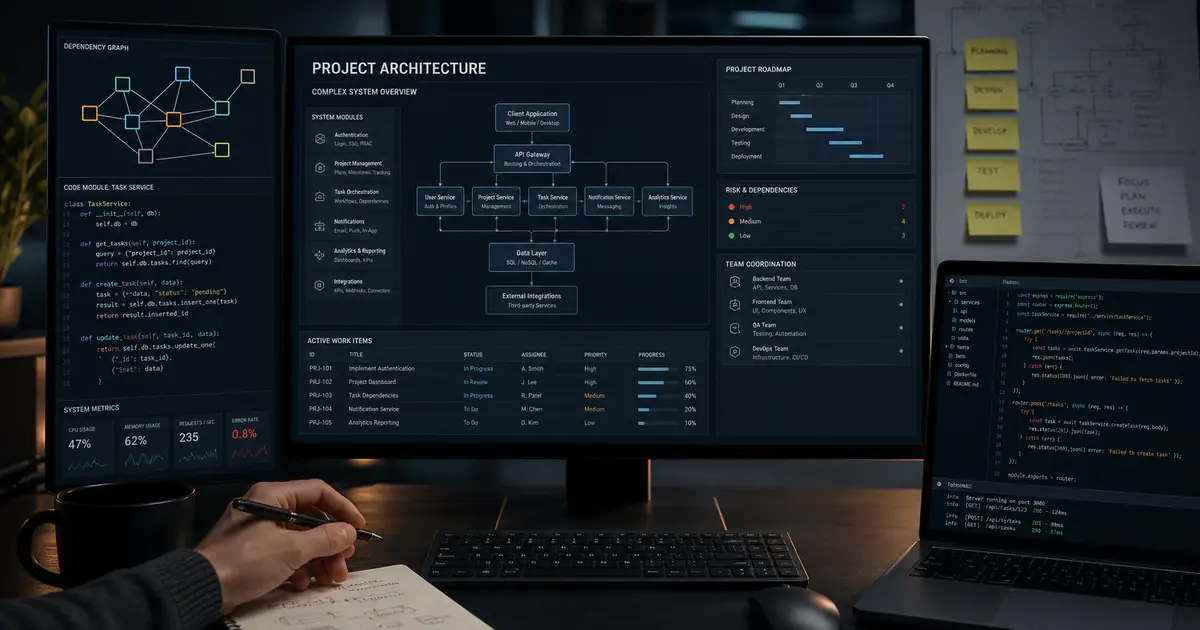
In the realm of software development, the nature and complexity of projects have undergone a rapid evolution. This evolution has brought about an increased emphasis on the nuances of "Technical Assignments." A technical assignment, at its core, serves as a blueprint for developers, guiding them through the labyrinth of intricate software components, features, and integrations. This article delves deep into the heart of managing these assignments, emphasizing the importance of granularity and precision.
The Evolving Nature of Complex Projects
The digital age has ushered in projects that are not only vast in scope but also intricate in their demands. From creating user-centric applications to implementing intelligent algorithms, the software development landscape has transformed. As projects grow in complexity, so does the need for detailed and structured technical assignments. These assignments provide a roadmap, ensuring every team member understands their role, responsibilities, and the larger objective. With the correct blueprint in place, teams can navigate the multifaceted nature of modern projects, aligning their efforts for optimal results.
Understanding the Significance of Detailed Technical Assignments
Delving into the realm of software development, the pivotal role of technical assignments cannot be understated. By offering a structured approach, these assignments provide clarity amidst chaos. Moreover, they serve as a bridge, ensuring seamless communication between stakeholders, designers, developers, and testers. A comprehensive technical assignment sheds light on the expected outcomes, potential challenges, and the methodologies to be employed, thereby setting the stage for project success. In essence, it's the beacon that guides a project through stormy waters, ensuring its safe arrival at the desired destination.
Foundations of Effective Technical Assignments
Technical assignments play a critical role in charting the course of a project. At their best, they are comprehensive, concise, and clear, fostering understanding and ensuring everyone remains on the same page.
Recognizing the Elements of a Comprehensive Technical Assignment
In the expansive realm of software development, the makings of a robust technical assignment reside in its details. Several core elements define the quality and effectiveness of such assignments:
Clear Objectives and Desired Outcomes
At the onset of any project, it's crucial to elucidate its primary objectives and the desired outcomes. A well-framed technical assignment, therefore, begins with a clear statement of what needs to be achieved. This clarity not only provides direction but also facilitates measurement, ensuring teams can gauge progress and adjust their strategies accordingly.
Defined Scope and Boundaries
While ambition is a driving force behind innovation, it's imperative for projects to operate within defined parameters. A comprehensive technical assignment outlines the scope of a project, detailing the features, functionalities, and integrations required. Equally vital is the delineation of boundaries, ensuring that teams are aware of what lies outside the project's purview, thus preventing overextension and resource depletion.
Stakeholder and Team Member Roles
A project's success often hinges on the collaborative efforts of its team members. A well-structured technical assignment elucidates the roles of each stakeholder, from developers and designers to testers and project managers. By offering clarity on roles and responsibilities, technical assignments foster collaboration and ensure that each team member contributes effectively to the project's overarching goals.
The Role of Full-stack Development in Modern Projects
The dynamics of software development have evolved, with full-stack development becoming a cornerstone for many enterprises. This approach allows for a holistic understanding of projects, bridging the gap between frontend user experiences and backend data processes.
Navigating Frontend and Backend Dynamics
Full-stack development requires a deep dive into both the visible (frontend) and hidden (backend) parts of an application. The frontend is where users interact, making it essential for it to be intuitive and user-friendly. On the other hand, the backend is the engine room, handling data storage, retrieval, and other core functions. Balancing these two domains is crucial in technical assignments to ensure seamless software functionality.
Importance of Middleware in Bridging Gaps
Middleware acts as the glue that binds frontend and backend processes. It facilitates communication, ensuring data is appropriately passed and transformed. Technical assignments should detail how middleware will be implemented, highlighting its role in ensuring data integrity, security, and smooth communication between the application layers.
Database Considerations: From Schema Design to Optimization
No technical assignment in the realm of software development is complete without addressing database concerns. Whether it's defining the schema, considering normalization, or ensuring optimal query performance, databases are central to application performance. Technical assignments must articulate strategies for database design, indexing, and optimization, ensuring data is easily accessible, and systems remain responsive.
Advanced Strategies for Decomposing Large Tasks
Navigating the waters of complex software development projects requires a strategic approach to decomposing large tasks. This division into smaller, more manageable units aids in clarity, accountability, and tracking, ultimately leading to better project outcomes.
Implementing Work Breakdown Structures (WBS)

The Work Breakdown Structure (WBS) is a tried-and-true method for dissecting a project into bite-sized pieces. This hierarchical decomposition aids in organizing and defining the total scope of the project, ensuring that no element is overlooked.
Hierarchical Decomposition of Tasks
A well-structured WBS organizes tasks in a hierarchical manner, starting with the overarching project goal and branching out into specific deliverables and sub-tasks. This hierarchical approach ensures that each task has a clear parent-child relationship, allowing for a systematic progression and clear lines of responsibility. This structure, when meticulously detailed in technical assignments, offers a roadmap for project teams to follow.
Estimating Effort and Duration for Sub-tasks
Once tasks have been hierarchically decomposed, it becomes vital to estimate the effort required for each. This process, often intertwined with tools like Gantt charts, aids in setting realistic timelines. In technical assignments, clear estimates can mitigate the risk of overruns and ensure that resource allocation is optimized.
Embracing the Agile Mindset
In the fast-paced world of software development, agility is more than a methodology; it's a mindset. Adopting Agile principles in technical assignments can ensure adaptability, continuous improvement, and closer alignment with user needs.
Iterative Development and Feedback Loops
Technical assignments structured around Agile promote iterative development. This approach emphasizes breaking the project into cycles or 'sprints,' with each iteration resulting in a potentially shippable product increment. Coupled with this is the value of feedback loops, where end-user feedback is continually integrated into the development process, ensuring the final product resonates with user expectations.
The Significance of User Stories and Acceptance Criteria
Within the agile paradigm, user stories have emerged as an essential tool for capturing product functionalities from the end-user's perspective. Technical assignments grounded in user stories enable a more user-centered design and development approach. Accompanying these stories, acceptance criteria further delineate the conditions that the software must meet for the user story to be considered complete. By laying out these criteria, technical assignments gain clarity, ensuring that both developers and stakeholders share a unified vision of the expected outcomes.
Documentation: The Unsung Hero of Technical Assignments
Documentation, often overshadowed by the allure of code and design, remains a cornerstone of effective technical assignments in software development. When done right, it serves as a blueprint, guiding teams through the project's intricacies and ensuring that all stakeholders remain aligned.
Best Practices for Structuring Documentation
Effective documentation goes beyond mere record-keeping. It's a strategic endeavor, structured to offer clarity, consistency, and ease of access.
Consistent Formatting and Templating
Consistency is the lifeblood of effective documentation. By employing standardized templates and maintaining uniform formatting across documents, technical assignments become easier to navigate. This consistency aids teams in quickly locating relevant information, thus saving time and reducing potential ambiguities.
Use of Visual Aids: Diagrams, Flowcharts, and Wireframes
Visual aids play a pivotal role in complementing textual content within technical assignments. Diagrams elucidate complex relationships, flowcharts detail process flows, and wireframes offer a glimpse into the user interface's look and feel. These visual elements, when used judiciously within documentation, enhance comprehension and offer a richer perspective on the software's design and functionality.
The Role of Collaboration Tools and Platforms
In today's interconnected work environment, collaboration tools are no longer a luxury but a necessity. They empower teams to work seamlessly, irrespective of geographical boundaries, and ensure that everyone stays on the same page.
Version Control for Document History
In the realm of technical assignments, having a robust system for version control is paramount. With multiple team members accessing and editing documents, the ability to track changes, revert to previous versions, and understand the evolution of a document becomes invaluable. Version control systems, often associated with code, are equally crucial for documentation, ensuring that the most accurate and up-to-date information is always at hand, minimizing errors and oversights.
Real-time Collaboration and Feedback Integration
Modern collaboration tools have paved the way for real-time communication and feedback. Technical assignments benefit immensely from this immediacy, allowing team members to discuss, annotate, and suggest changes directly within the document. This dynamic form of collaboration speeds up the review process, fosters open communication, and results in more refined and accurate technical documents.
Overcoming Common Challenges in Technical Assignment Development
The journey of crafting impeccable technical assignments is often riddled with challenges. From aligning with stakeholder expectations to navigating the ever-present uncertainties in software development projects, teams must be equipped with strategies to surmount these obstacles.
Ensuring Alignment with Stakeholder Expectations
One of the primary challenges in technical assignment development is ensuring that the document aligns perfectly with the expectations of all stakeholders.
Frequent Communication and Check-ins
To bridge any gaps between stakeholder expectations and the technical team's understanding, regular communication is essential. Periodic check-ins, reviews, and feedback sessions allow for real-time adjustments, ensuring that the technical assignment remains relevant and actionable throughout the project's lifespan.
Managing Scope Creep Effectively
In the throes of software development, it's not uncommon for the project's scope to expand or shift — a phenomenon known as scope creep. While some degree of change is inevitable, unchecked scope creep can derail projects. Technical assignments, when used as living documents, can help in identifying and managing these changes. By clearly defining boundaries and continuously updating them in response to changing requirements, teams can maintain focus and avoid overextension.
Handling Uncertainty and Ambiguities in Projects
Software projects, by their very nature, operate in an environment filled with uncertainties. From unexpected technical challenges to evolving client needs, ambiguities are a part and parcel of the domain.
Prioritizing Flexibility Over Rigidity
In the world of technical assignments, a strict, unwavering approach can sometimes be more of a hindrance than a help. Emphasizing flexibility allows teams to adapt to new information, pivot when necessary, and ensure the project’s success. This doesn't mean abandoning structure, but rather building an adaptable framework that can handle the unpredictable nature of software development.
The Importance of Contingency Planning
Contingency planning plays a pivotal role in addressing uncertainties. By anticipating potential roadblocks or challenges, teams can devise backup plans, ensuring that they remain on track even when faced with unforeseen issues. Technical assignments should outline these contingencies, providing clarity on steps to be taken under different scenarios.
Conclusion
The realm of technical assignments, while intricate, is integral to the success of software development projects. As teams navigate the multifaceted landscape of complex project management, these assignments serve as beacons, guiding the way.
The Road Ahead: Continuous Learning and Adaptation
Software development and the strategies surrounding it are continually evolving. Staying updated, embracing new methodologies, and being open to learning are crucial. Technical assignments, too, should be seen as dynamic entities, evolving with the project and the larger industry landscape.
Final Thoughts on Technical Assignment Mastery
Mastering the art and science of technical assignments is not a one-time achievement but a continuous journey. By marrying meticulous attention to detail with a holistic understanding of project goals, teams can craft documents that are not just informative but instrumental in driving project success. Furthermore, if you're looking to optimize your project success and efficiency, consider outsourcing your assignment writing to professionals. Toklis Solutions offers expert services tailored to your needs, ensuring that each technical assignment is not only accurate but also strategically aligned with your goals. By partnering with seasoned professionals, you can leverage their experience and insights, paving the way for smoother project executions and superior outcomes.