The Power of Personalization: Tailoring Your Message for Maximum Impact

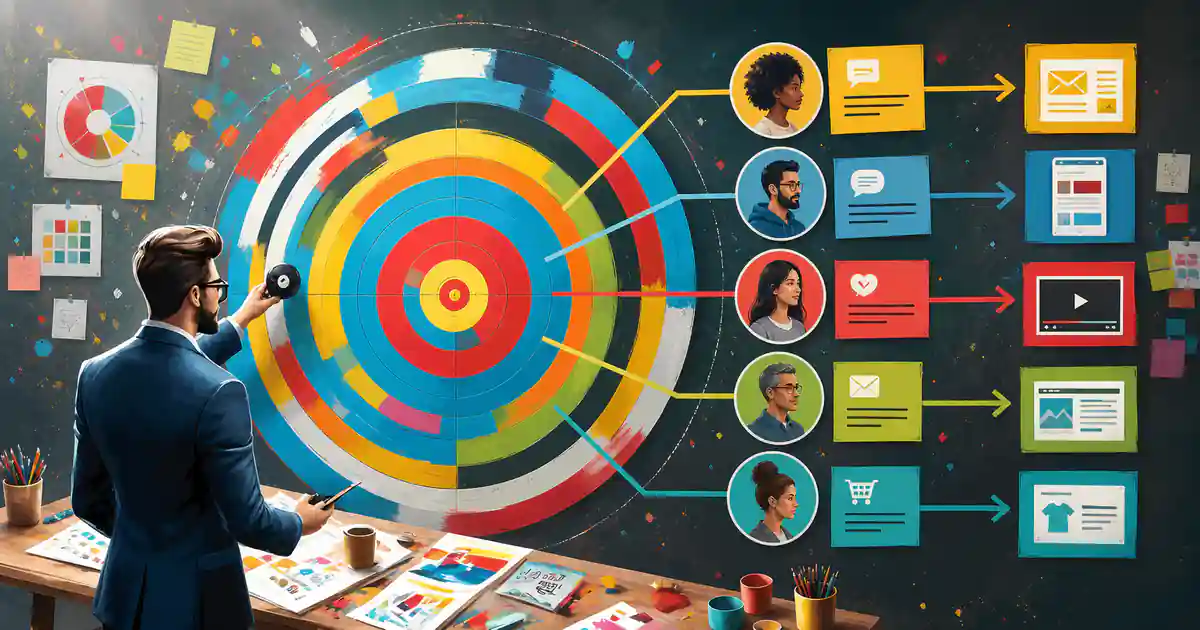
In the dynamic world of digital marketing, "Personalization in marketing" emerges as a critical strategy. It transforms how businesses connect with their audience. Initially, marketing strategies took a broad approach. Now, they focus on individual preferences and behaviors. This shift marks a new era in customer engagement, highlighting the importance of tailored experiences.
Introduction
In today’s digital marketing landscape, the power of personalization stands out as a key differentiator. It can significantly enhance the effectiveness of marketing efforts. Therefore, failing to leverage personalization could potentially undermine the success of these efforts. By integrating personalization into marketing strategies, businesses can engage their audiences more effectively, enhancing customer satisfaction and loyalty. This introductory section delves into the essence and evolution of personalization. It highlights the significance of this shift, transforming marketing from a generalized approach. Furthermore, it values individual customer experiences and preferences, marking a pivotal change in strategy.
Brief Overview of Personalization in Marketing
The realm of digital marketing has experienced a paradigm shift due to the advent of personalization. It has moved away from a one-size-fits-all approach. Now, it offers tailored experiences to each individual. Personalization in marketing harnesses the power of customer data. It delivers relevant messages, products, and services to each individual. This strategy enhances engagement and boosts conversion rates. This strategy not only elevates the customer experience but also significantly boosts the effectiveness of marketing campaigns.
The Evolution of Personalization from Mass Marketing to Individualized Experiences
Personalization has evolved significantly from the mass marketing strategies of the past. Today, it offers highly individualized experiences. This change is thanks to advancements in technology and data analytics. This transformation has enabled marketers to understand and predict customer behavior with greater accuracy. As a result, they can now create personalized content. This content resonates more effectively with each recipient. The transition from generic advertisements to customized messaging marks significant progress in digital marketing. It underscores the powerful impact of personalization.
The Fundamentals of Personalized Marketing
Personalized marketing represents a revolutionary step in the way businesses connect with their audiences. By focusing on the fundamentals of this strategy, organizations can unlock unparalleled opportunities for growth and customer engagement. This segment outlines what personalized marketing entails. It explores the compelling reasons behind its adoption. Additionally, it offers a roadmap for effectively implementing personalization tactics. Through definition, impact analysis, and practical guidance, we lay the groundwork. This enables marketers to elevate their campaigns from ordinary to extraordinary.
What is Personalized Marketing?
Personalized marketing is a strategy that uses data analysis and digital technology. It delivers tailored messages and product offers to current or prospective customers. This approach contrasts sharply with traditional marketing, which often relies on broad, generic messages. The essence of personalized marketing lies in its ability to connect with individuals on a deeper level. This approach makes each interaction meaningful. Consequently, it becomes significantly more effective.
Definition and key characteristics
Personalized marketing is a strategy aiming to deliver content and messages. These are tailored to an audience's individual needs, preferences, and behaviors. This customization is based on the data collected about them. The key characteristics of this approach include several elements. First, it uses data analytics to segment the audience. Next, it applies predictive modeling to forecast future behavior. Finally, it delivers content dynamically adjusted to each individual's context and stage in the customer journey.
The shift from generic to tailored communications
The transition from generic to tailored communications marks a significant evolution in marketing strategies. This shift has been propelled by the increasing availability of customer data and technological advancements, allowing for a more nuanced understanding of customer preferences and behaviors. As a result, businesses can now move beyond one-size-fits-all messages, instead crafting communications that resonate personally with their audience.
Why Personalize?
The inclination towards personalized marketing stems from its profound impact on consumer behavior. It not only captivates attention by addressing the individual directly but also fosters a sense of value and trust. Statistical evidence has repeatedly shown that personalized campaigns yield higher engagement rates, conversion rates, and ROI compared to their generic counterparts. Moreover, personalization serves as a critical competitive advantage, differentiating brands in a crowded market.
The psychological impact of personalization on consumers
Personalization taps into basic human desires for recognition and relevance, making consumers feel seen and understood. This psychological impact strengthens the emotional connection between the brand and its customers, enhancing trust and loyalty. Personalized experiences cater to the individual's preferences and needs, increasing the perceived value of the brand's offerings and significantly improving customer satisfaction.
Statistical evidence supporting the effectiveness of personalized marketing
Numerous studies and analyses provide robust evidence of the effectiveness of personalized marketing. These findings consistently show that personalized campaigns achieve higher open rates, click-through rates, and conversion rates compared to generic campaigns. Additionally, personalization has been shown to significantly increase customer lifetime value and reduce churn by making marketing communications more relevant and engaging.
Personalization as a competitive advantage
In a crowded marketplace, personalization serves as a critical competitive advantage. Brands that successfully implement personalized marketing strategies differentiate themselves by offering unique customer experiences that are hard to replicate. This not only attracts new customers but also enhances loyalty among existing ones, creating a sustainable competitive edge.
How to Personalize Your Marketing Efforts
Embarking on the journey of personalized marketing involves a deep understanding of your audience through segmentation and data analysis. The use of advanced tools and technologies is essential in gathering and processing customer data to facilitate personalized communications. Best practices include creating messages that resonate personally with the audience, ensuring relevance, and fostering genuine connections.
Understanding your audience: Segmentation and data analysis
Effective personalization begins with a deep understanding of your audience, achieved through segmentation and data analysis. By dividing your audience into distinct groups based on demographics, behaviors, and preferences, you can tailor your marketing efforts to address the specific needs and interests of each segment. Data analysis plays a crucial role in uncovering insights about your customers, enabling more targeted and effective marketing strategies.
Tools and technologies enabling personalization
The implementation of personalized marketing is facilitated by a variety of tools and technologies. These range from CRM systems that store customer data, to advanced analytics platforms that process and analyze this data, to marketing automation tools that enable the delivery of personalized content across multiple channels. Together, these technologies form the backbone of a successful personalized marketing strategy.
Best practices for crafting personalized messages
Crafting personalized messages that resonate with your audience involves several best practices. First, ensure your messages are relevant by leveraging data insights to match content with the recipient's interests and needs. Use a conversational tone to make your communications feel more personal and engaging. Additionally, consider the timing and channel of your messages to enhance their effectiveness. Finally, continuously test and refine your approach based on feedback and performance metrics to optimize your personalized marketing efforts.
Data-Driven Personalization Strategies
To harness the full potential of personalized marketing, a data-driven approach is paramount. This section delves into strategies that leverage customer data to fine-tune marketing communications, ensuring they hit the mark every time. From understanding the types of data crucial for personalization to navigating privacy concerns and crafting a customer journey that feels personally tailored at every touchpoint, we explore how to make your marketing efforts both effective and respectful of customer boundaries.
Leveraging Data for Targeted Communications
The cornerstone of personalized marketing is the effective use of data to drive targeted communications. This involves collecting and analyzing various types of data, including demographic, behavioral, and psychographic information. Such data not only informs the creation of segmented audience groups but also enables the delivery of content that resonates on a personal level. However, it's crucial to balance this with ethical considerations, ensuring customer privacy is respected and data is used responsibly.
Types of Data Crucial for Personalization (Demographic, Behavioral, Psychographic)
For personalization to be effective, understanding the types of data to collect and analyze is key. Demographic data provides insights into who your customers are, behavioral data reveals how they interact with your brand, and psychographic data offers a glimpse into why they make the decisions they do. Together, these data types create a comprehensive picture of your audience, enabling personalized marketing that anticipates and meets their needs.
Privacy and Ethical Considerations in Data Collection and Use
As data plays a central role in personalized marketing, it's essential to navigate the ethical implications of its collection and use. Privacy concerns are at the forefront of consumers' minds, making it critical for brands to be transparent about how data is collected, used, and protected. Adhering to privacy laws and regulations not only builds trust with your audience but also ensures your marketing practices are sustainable in the long run.
Creating a Personalized Customer Journey
Crafting a personalized customer journey involves mapping out each touchpoint with the customer and tailoring the experience at every stage. This ensures that from the first interaction to the post-purchase follow-up, every touch feels personal and relevant. By understanding the customer's path, marketers can identify opportunities for personalization that enhance the overall experience and drive deeper engagement.
Mapping Customer Touchpoints
Mapping customer touchpoints is the first step in creating a personalized customer journey. This process involves identifying all the points at which a customer interacts with your brand, from browsing your website to receiving email communications to engaging with social media posts. Understanding these touchpoints allows you to tailor interactions in a way that feels personal and relevant to the individual customer.
Tailoring the Experience at Each Stage of the Customer Journey
Once customer touchpoints are mapped, the next step is to tailor the experience at each stage of the customer journey. This involves creating personalized content and interactions that meet the customer's needs and preferences at that particular point in their journey. Whether it's a personalized product recommendation on your website or a customized email based on past behavior, tailoring the experience strengthens the relationship between the brand and the customer.
Personalization Tactics across Different Channels
Effective personalization extends across all channels, from email to social media to mobile apps. Each channel offers unique opportunities for personalization, whether it's through targeted email campaigns, customized website content, or personalized app experiences. By applying personalization tactics across different channels, brands can create a cohesive and customized marketing ecosystem that engages customers wherever they are.
Email Personalization Strategies
Email remains one of the most effective channels for personalized marketing, thanks to its direct and personal nature. Also, email personalization strategies can range from simple tactics like using the recipient's name in the subject line to more advanced techniques such as segmenting email lists based on customer behavior or preferences. By delivering content that is directly relevant to each recipient, email personalization can significantly improve open and click-through rates.
Website Content Customization
Customizing website content based on visitor behavior or preferences creates a more engaging and relevant online experience. This can include displaying personalized product recommendations, tailoring the homepage layout to match the visitor's interests, or offering customized promotions. Website content customization not only improves the user experience but also increases the likelihood of conversion.
Social Media and Mobile App Personalization
Social media and mobile apps offer unique opportunities for personalization, thanks to the rich data they collect on user behavior and preferences. By leveraging this data, brands can deliver personalized content and offer directly through these channels, creating a more engaging and relevant experience for users. Whether it's through targeted ads on social media or personalized features within an app, these channels are powerful tools for customized marketing.
By employing data-driven personalization strategies across all touchpoints and channels, businesses can create a marketing approach that is not only more effective but also more customer-centric. This holistic view of the customer journey ensures that every interaction is optimized for maximum impact, leading to deeper customer engagement, loyalty, and, ultimately, business success.
Success Stories: Personalized Campaigns That Made a Mark
This section showcases the transformative power of personalized marketing through real-world success stories across various sectors. By examining retail, e-commerce, and B2B campaigns that have effectively utilized personalization strategies, we gain insights into the creative applications of personalization and the significant impacts it can have on engagement, conversion, and customer loyalty. These case studies not only inspire but also provide practical examples of how businesses can harness the power of personalization to achieve remarkable results.
Case Study 1: Retail
In the competitive retail sector, personalization has emerged as a game-changer for brands looking to stand out. One notable campaign involved a retailer that leveraged customer purchase history and browsing behavior to create personalized email campaigns. The retailer used dynamic content to recommend products tailored to each customer's preferences and past purchases, resulting in a dramatic increase in click-through rates and sales.
Overview of the Campaign and Objectives
The campaign aimed to increase customer engagement and drive sales through personalized product recommendations. By analyzing data on past purchases and online browsing behaviors, the retailer sought to create highly targeted email content that would resonate with individual customers.
Personalization Strategies Used
The retailer employed a sophisticated data analytics platform to segment its customer base and tailor email content accordingly. Personalized product recommendations were generated using a combination of machine learning algorithms and manual curation to ensure relevance and appeal.
Results and Key Takeaways
The personalized email campaign achieved a significant uptick in open rates, click-through rates, and conversion rates, surpassing the retailer's initial objectives. This success story highlights the importance of leveraging customer data to create personalized experiences that drive engagement and sales.
Case Study 2: E-commerce
An e-commerce giant utilized personalization to enhance the online shopping experience, leading to increased customer satisfaction and repeat purchases. By personalizing the homepage for each visitor based on their browsing and purchase history, the e-commerce platform was able to present products and offers that matched individual preferences and shopping behaviors.
Overview of the Campaign and Objectives
The primary objective was to create a more engaging and personalized online shopping experience that would encourage repeat visits and purchases. The e-commerce brand aimed to leverage its vast amount of customer data to deliver customized product recommendations and promotions.
Personalization Strategies Used
Advanced data analysis and machine learning algorithms were employed to predict customer preferences and tailor the homepage experience for each visitor. Personalized product recommendations and promotions were dynamically displayed, ensuring that each customer encountered relevant and enticing offers.
Results and Key Takeaways
The campaign led to a noticeable improvement in customer engagement metrics, including time spent on the site and conversion rates. Customers reported higher satisfaction levels with the personalized shopping experience, demonstrating the effectiveness of personalization in enhancing the e-commerce experience.
Case Study 3: B2B Sector
In the B2B sector, a technology company implemented a personalized content marketing strategy to engage its niche target audience more effectively. By creating customized content for different industry segments and distributing it through targeted email campaigns and personalized landing pages, the company was able to increase lead generation and conversion rates significantly.
Overview of the Campaign and Objectives
The campaign's goal was to generate high-quality leads by delivering personalized content that addressed the specific needs and challenges of different segments within its target audience. The company aimed to establish itself as a thought leader by providing valuable insights tailored to each industry segment.
Personalization Strategies Used
The company segmented its audience based on industry, job role, and previous interactions with the brand. Personalized email campaigns directed recipients to customized landing pages featuring content specifically designed to resonate with each segment, from whitepapers and case studies to webinars and blog posts.
Results and Key Takeaways
The personalized content marketing strategy resulted in a substantial increase in engagement, lead generation, and conversion rates. The success of this campaign underscores the power of personalization in B2B marketing, highlighting the importance of understanding and addressing the unique needs of your target audience.
These case studies across the retail, e-commerce, and B2B sectors illustrate the versatility and effectiveness of personalized marketing strategies. By focusing on the needs and preferences of their audience, these businesses were able to create meaningful connections, drive engagement, and achieve significant business outcomes.
Implementing Personalization in Your Marketing Strategy
The implementation of personalization within marketing strategies signifies a pivotal shift towards more engaging, customer-centric approaches. This section provides a comprehensive guide on initiating personalization efforts, overcoming potential challenges, and measuring the impact of these endeavors. By highlighting foundational steps, setting realistic goals, addressing data quality, and focusing on the balance between personalization and privacy, businesses are equipped to navigate the complexities of personalization effectively. Furthermore, by understanding key metrics and learning from analytics, organizations can refine their strategies for better engagement and results.
Getting Started with Personalization
Initiating personalization in marketing requires a strategic approach, focusing on understanding your audience and setting clear objectives. This process involves collecting and analyzing customer data, selecting the right tools, and defining what success looks like for your business.
Initial Steps and Basic Requirements
The first step in adopting personalization is to gather and analyze customer data to gain insights into preferences, behaviors, and needs. This involves setting up systems for data collection, such as CRM platforms, and ensuring you have the capability to analyze and segment this data effectively. Establishing clear objectives for your personalization efforts is also crucial, as it guides the development of your strategies and helps measure success.
Setting Realistic Goals and KPIs
Setting realistic goals and identifying key performance indicators (KPIs) are essential for tracking the effectiveness of personalization strategies. Goals should be specific, measurable, achievable, relevant, and time-bound (SMART), and KPIs might include metrics such as conversion rates, customer engagement levels, and ROI from personalized campaigns. These measures provide a benchmark for success and guide ongoing optimization efforts.
Overcoming Challenges in Personalization
While personalization offers numerous benefits, it also presents challenges that businesses must navigate. Addressing data quality issues and balancing personalization with privacy concerns are paramount for a successful strategy.
Addressing Data Quality and Integration Issues
High-quality, integrated data is the backbone of effective personalization. Challenges arise when data is siloed, outdated, or inaccurate, leading to less effective personalization efforts. Implementing robust data management practices, such as regular data cleansing and integration of data sources, can mitigate these issues and ensure a solid foundation for personalization.
Balancing Personalization and Privacy Concerns
As personalization efforts intensify, so do concerns around privacy. Navigating this delicate balance involves being transparent about data collection and use, obtaining explicit consent, and providing value in exchange for personal information. Adhering to privacy regulations and ethical standards not only builds trust with your audience but also ensures your personalization strategies are sustainable in the long term.
Measuring the Impact of Personalization
Measuring the impact of personalization strategies is critical to understanding their effectiveness and identifying areas for improvement. This involves tracking a variety of metrics and utilizing feedback to refine approaches.
Key Metrics to Track
The effectiveness of personalization can be gauged through various metrics, such as engagement rates, conversion rates, customer satisfaction scores, and the overall ROI of personalized initiatives. Tracking these metrics over time provides valuable insights into the success of your personalization efforts and highlights opportunities for optimization.
Learning from Analytics and Feedback
Analytics and customer feedback are invaluable resources for improving personalization strategies. Analyzing performance data helps identify what works and what doesn’t, while customer feedback offers direct insights into preferences and expectations. Together, these tools enable continuous refinement of personalization tactics, ensuring they remain effective and relevant.
Conclusion
Personalization in marketing is no longer a luxury but a necessity in the digital age. This article has explored the power of personalization, from its fundamental principles to practical implementation strategies, highlighting its significance in enhancing customer engagement and driving business success. The journey through data-driven personalization strategies and real-world success stories underscores the transformative potential of tailored marketing efforts. As we look towards the future, it's clear that personalization will continue to evolve, offering new opportunities for businesses to connect with their audience in meaningful ways. By embracing personalization, companies can ensure they remain competitive, relevant, and capable of delivering exceptional customer experiences.
Recap of the Importance and Benefits of Personalized Marketing
Personalized marketing stands at the forefront of creating deep, meaningful connections between brands and their customers. By tailoring content, offers, and experiences to individual needs and preferences, businesses can significantly enhance engagement, loyalty, and conversion rates. This strategy leverages customer data to deliver relevant messages, fostering a sense of value and personal attention that broad-stroke marketing approaches cannot match. The benefits are clear: improved customer satisfaction, increased ROI, and a competitive edge in crowded markets. As we reflect on the importance of personalized marketing, it's evident that its ability to adapt communications to the individual has set a new standard in customer engagement.
Future Trends and the Evolving Landscape of Personalization
The landscape of personalization is constantly evolving, driven by technological advancements and changing consumer expectations. Future trends point towards even more sophisticated personalization, leveraging artificial intelligence and machine learning to predict customer behavior with greater accuracy and automate personalized experiences at scale. Augmented reality and virtual reality are set to offer immersive personalized experiences, while voice search and IoT devices will open new channels for personalized interactions. As personalization technology advances, businesses will have unprecedented opportunities to engage customers in unique and compelling ways, making it crucial for marketers to stay abreast of these trends to remain competitive.
Encouragement to Embrace Personalization for Better Engagement and Results
The journey toward effective personalization is both challenging and rewarding. As businesses navigate this path, the key to success lies in understanding your audience, leveraging the right technologies, and continuously refining strategies based on data and feedback. Embracing personalization is not just about adopting new technologies but also about fostering a culture that values customer-centricity. By committing to personalization, businesses can unlock the full potential of their marketing efforts, achieving better engagement, higher conversion rates, and stronger customer relationships. The time to embrace personalization is now, with the promise of transforming the way brands connect with their audiences in an increasingly digital world.
References
Citing Studies, Tools, and Further Readings on Personalized Marketing
For those keen on exploring personalized marketing further, a variety of resources are available that offer valuable insights and guidance:
- Academic Studies: Scholarly articles and research papers provide in-depth analysis and empirical evidence on the effectiveness of personalized marketing strategies. Journals such as the "Journal of Marketing" and "Harvard Business Review" frequently publish studies on this topic.
- Industry Reports: Companies like Gartner, Forrester, and HubSpot regularly release reports and surveys that shed light on current trends, consumer expectations, and future directions in personalized marketing.
- Tools and Software: Exploring tools such as Salesforce, HubSpot, Marketo, and Adobe Experience Cloud can offer practical insights into the capabilities and applications of personalization technologies in marketing campaigns.
- Books and eBooks: Publications like "One to One Marketing" by Don Peppers and Martha Rogers, Ph.D., provide foundational knowledge and strategies for implementing personalization in marketing efforts.
- Online Courses and Webinars: Platforms like Coursera, Udemy, and LinkedIn Learning offer courses and webinars taught by industry experts, covering the latest strategies and technologies in personalized marketing.
By consulting these resources, marketers can deepen their understanding of personalized marketing, stay updated on the latest trends, and refine their strategies to meet the needs of their audiences better.
Furthermore, consider delegating your marketing needs to experts. Toklis Solutions provides customized services designed to guarantee accurate and goal-oriented marketing campaigns.