7 posts tagged with "digital marketing"

View All Tags

Generative AI in Content Marketing: Redefining Content Creation and SEO Strategies

· 9 min read
TokLis Solutions
Software delivery and digital marketing insights

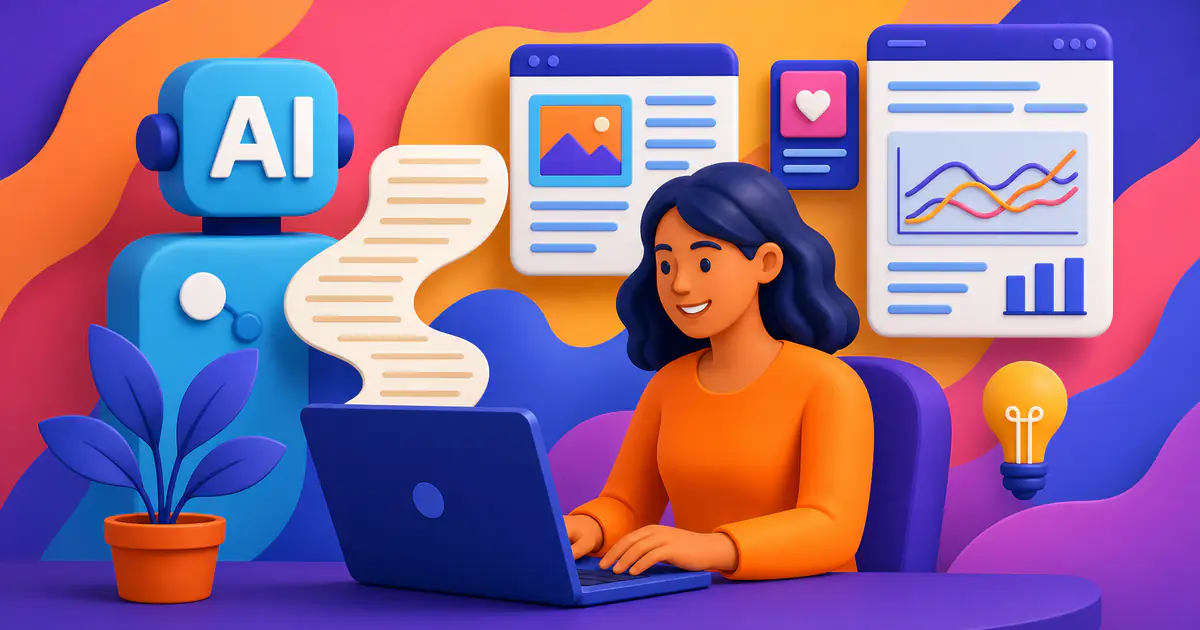
Generative AI content marketing and SEO strategy workflow

Generative AI is rewriting the rules of content marketing. Early adopters are already seeing faster output and fresh creative angles. If you’re an entrepreneur or small business owner, you’ve probably heard how tools like GPT can write entire blog posts in seconds. Still, the question is clear: How do you actually integrate generative AI in content marketing without sacrificing quality or brand voice?

That’s why this article walks you through the ADAPT Framework: Analyze, Draft, Augment, Publish, Track. You’ll discover how to plan your content, create first drafts with AI, optimize for SEO, promote efficiently, and use performance data to refine everything. Along the way, you’ll see cautionary tales, success stories, and a handy checklist to keep you on track.

Read on to find out how AI can help you create more impactful content, from blog posts to social media updates. Let’s dive into each stage of the ADAPT Framework and see how to apply it to your content strategy.


Step 1: Analyze & Plan Your Content Strategy

Clarify Your Goals and Audience

Even the smartest AI can’t help if you lack a clear direction. Before generating a single line of text, decide what you want your content to achieve. Are you aiming for more website traffic, educating your customers, or boosting conversions?

Figure out who your target audience is and what questions they have. Then, draft a content plan that covers topics aligned with your brand. Tools like generative AI can assist in researching new angles. However, you still control the final decisions.

Quick Story: A local fitness studio owner used AI to scan competitor blogs and spotted a gap in “at-home workout tips.” She made that her next content series and saw higher engagement within a month. The secret? She had a plan that guided her AI usage.

Use AI for Research and Topic Identification

Many entrepreneurs waste time brainstorming ideas that don’t resonate with readers. Why not let AI help with topic generation? You could prompt an AI tool with: “Suggest 10 content ideas about budget travel for my small tour company.” Then filter for the best angles.

If you’re curious about how AI is reshaping broader marketing processes, explore our related article: AI in Business: Transforming Digital Marketing and Software Development

These insights also feed back into your SEO approach. Jot down potential keywords as you generate ideas. That list forms the basis for your upcoming blog posts and landing pages. When you’re ready, move to Step 2 and start drafting content.


Step 2: Draft Content with Generative AI

Free Yourself from the Blank Page

Generative AI can produce a rough draft in minutes. You feed it prompts, outlines, or style guidelines, and it writes a starting version. This stage is where you save the most time and energy. Focus on giving precise instructions to the AI. For instance:

“Create a 500-word article on five affordable ways to upgrade a home office, using a friendly, slightly humorous tone.”

If the draft feels off, refine your prompt. A better prompt leads to a better draft. Think of AI as a junior copywriter who needs guidance. Each iteration helps the tool match your brand voice more closely.

Quick Story: A travel agency owner fed bullet points about each tour package into an AI writing platform. Within hours, she had full descriptions for her website, each with a consistent style. This freed her to focus on business developmentrather than constant writing.

Scale Up Without Sacrificing Quality

One advantage of AI is its ability to produce multiple drafts quickly. If you need ten product descriptions, prompt it ten times. Just make sure to keep an eye on consistency. You can save prompts that work well as templates.

Avoid letting AI ramble. Break content into sections so your final results are coherent. For instance, you might have the AI write only the introduction first, then each subheading one by one. This approach often yields better-structured content.


Step 3: Augment & Optimize Your Content (Editing and SEO)

Polish the Language and Inject Your Brand Voice

Raw AI output can sound generic or contain errors. That’s why human editing remains crucial. Fact-check, correct any mistakes, and adjust the tone to fit your brand personality. Shorten or rearrange sentences if the flow seems awkward.

If your brand has a fun edge, sprinkle in light humor or personal stories. AI drafts often lack these unique touches. For example, slip in a quick anecdote about how you improved your own home office. That personal angle boosts authenticity.

Quick Story: Darren tested AI for drafting client newsletters. After the AI finished, he spent an hour editing the tone and details. The result was a polished newsletter in half the usual time, and the client loved it.

Apply SEO Fundamentals

Even though AI can insert keywords, you must ensure they’re placed strategically. Aim to include your primary keyword (like “generative AI in content marketing”) in the title, first paragraph, subheadings, and body text without overusing it.

Add relevant internal links to keep readers engaged. If you mention broader topics like digital marketing or AI-driven software, link to your own related pages. For external linking, choose authoritative pages sparingly. Each link should support the reader’s journey.

Remember to add descriptive alt text to images. For an image of a robot typing, the alt text might be “robot typing to generate AI-driven content.” This helps search engines understand the image while improving accessibility for all users.


Step 4: Publish & Promote Your AI-Enhanced Content

Go Multi-Channel for Maximum Reach

Hitting “publish” is just the start. You need a solid distribution plan. Post on your blog or website, but also repurpose content for social media, email newsletters, and even short videos. Let AI rewrite your text into a script or condense your post into a series of tweets.

Don’t forget to mention related articles that might help readers dive deeper. For instance, if you want to explore how personalization can improve conversions, check out: AI-Powered Personalization: Customer Engagement in Digital Marketing

By linking to relevant resources, you keep people on your site longer. That extra engagement can boost your search rankings and your credibility.

Personalize for Different Audiences

You might have several audience segments. Create different email introductions, social posts, or landing pages to target each group’s needs. AI can assist by generating variations from a core piece of content.

Example: A boutique clothing retailer wrote one social post about a new summer collection. She then prompted the AI to rewrite it for Instagram (with emojis and a playful tone) and for LinkedIn (with a more professional angle). This approach boosted engagement across platforms.


Step 5: Track Performance and Refine with AI Insights

Measure Key Metrics

If you’re not measuring, you’re guessing. After publishing, monitor metrics like page views, time on page, social shares, and conversions. These numbers tell you if your AI-driven content is hitting the mark.

Check which topics perform best. Notice how your keywords rank over time. Look for user feedback in comments or direct emails. Sometimes a single suggestion can reveal a major improvement opportunity.

Quick Story: Sophia used AI to transform her blog post into a slide deck and uploaded it to a new platform. That slide deck went viral in her niche, driving more sign-ups than her main blog. She learned to diversify content formats to reach a bigger audience.

Iterate Based on AI Analysis

AI can also help you interpret performance data. You could ask it for patterns in your Analytics export:

“Check my top 10 blog posts from last month and find common themes.”

If you see that lists and how-to guides do well, plan more of them. Sometimes you’ll find gaps, like missing subtopics that competitors are covering. Update or expand your post with fresh insights. In time, you’ll see better search rankings and reader engagement.


Avoid These Common Pitfalls

Don’t Post Raw AI Content

AI can make things up (known as “hallucinations”). Always edit and fact-check. Publishing errors can hurt your credibility and trust with readers.

Maintain a Consistent Brand Voice

When you generate multiple drafts, each might sound different. Make sure you unify the tone before hitting publish. Consistency is vital for brand recognition.

Focus on Quality Over Quantity

A flood of thin content can damage your SEO. It’s better to post fewer, higher-quality pieces that truly engage readers. AI should augment your capabilities, not tempt you to publish fluff.

Watch for Duplicates and Plagiarism

Generative AI might produce content similar to existing online text. Use a plagiarism checker if you suspect overlap. Originality is key for search engines and your brand image.

Keep Updating Your Tactics

AI models and search engine algorithms evolve quickly. The prompts that work today may need adjusting tomorrow. Keep experimenting and refining to stay ahead.


Final Checklist: Implementing Generative AI in Your Content Strategy

  1. Plan with Purpose Define your goals, audience, and content calendar before involving AI. A clear plan ensures each piece has a strategic place.
  2. Draft with Precision Give AI strong prompts. Treat it like a junior copywriter who needs direction. Refine each output for clarity and structure.
  3. Edit and Optimize Correct facts, unify tone, and insert strategic keywords. Don’t forget internal links, alt text, and easy-to-read formatting.
  4. Promote Across Channels Repurpose your AI-generated content for social media, email, and more. Tailor the format to each platform’s audience.
  5. Track and Adapt Measure performance metrics and use AI tools to spot trends. Update successful pieces and fix underperforming ones.

By following this checklist, you’ll use generative AI in content marketing the right way. You’ll combine AI’s speed with your unique insights to create compelling, optimized content that resonates with your audience.

Now it’s your turn. Try assigning one piece of your content plan to AI and see how much time you save. With the ADAPT Framework as your guide, you’re set to transform how you create and share content in this new era of AI-assisted marketing. Go ahead and start your next draft—you might be surprised by what you can accomplish.

Find out how the Toklis Solutions can improve the digital marketing and software development in your business.

AI-Powered Personalization: Revolutionizing Customer Engagement in Digital Marketing

· 6 min read
TokLis Solutions
Software delivery and digital marketing insights

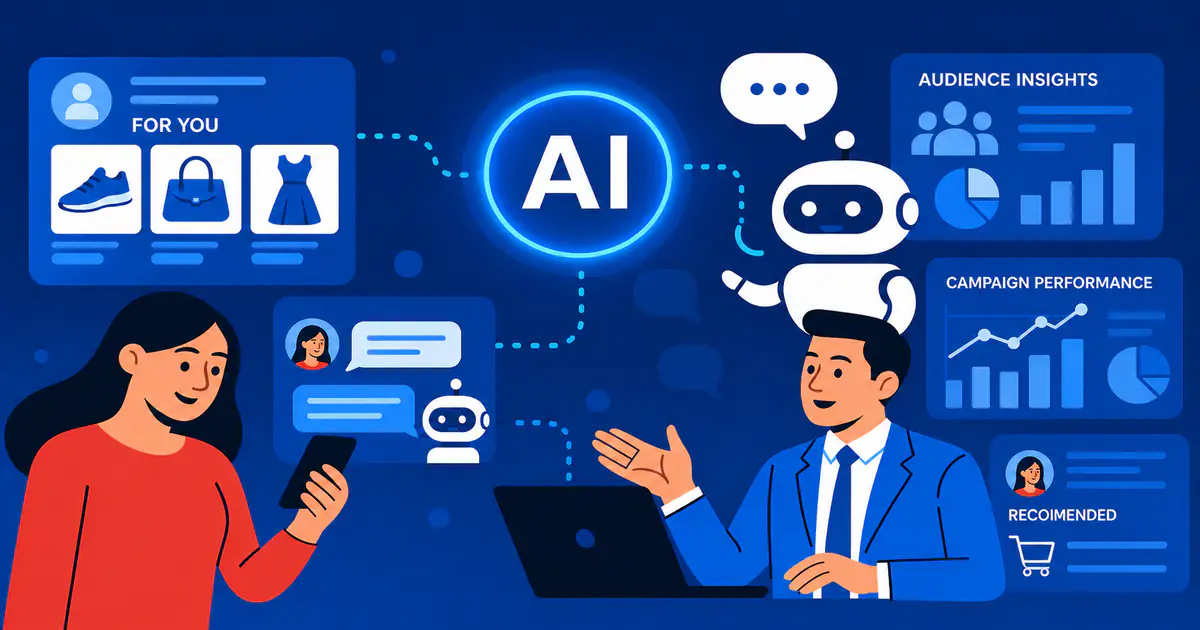
AI-powered personalization improving digital marketing customer engagement

In today's highly competitive digital landscape, customer expectations are evolving rapidly. Businesses face the ongoing challenge of providing highly personalized experiences that resonate with individual customers. Artificial Intelligence (AI) has emerged as a transformative technology, enabling marketers to deliver hyper-targeted, personalized interactions at scale. Additionally, our AIM‑PACT advertising playbook explains how to apply similar AI methods to maximize ad placement ROI. This article explores how AI-driven personalization strategies dramatically enhance customer engagement, boost conversion rates, and foster long-term loyalty, supported by practical examples from leading global brands.

Understanding AI-Powered Personalization

What is AI-Driven Personalization?

AI-driven personalization leverages machine learning algorithms and data analytics to tailor content, recommendations, and interactions to individual users based on their preferences, behaviors, and previous interactions. This enables businesses to create highly relevant, engaging experiences that align with customers' unique expectations.

Why is AI Personalization Important in Digital Marketing?

With the sheer volume of online content, personalization helps brands stand out. Consumers now expect businesses to understand their needs, predict their desires, and deliver precisely targeted offers. AI-driven personalization addresses these demands efficiently, driving higher engagement and significantly improving marketing effectiveness.

Core Components of AI-Driven Personalization

Data Collection and Analysis

The foundation of AI-driven personalization is extensive data collection and real-time analysis. AI tools gather user data from various channels—such as websites, apps, and social media—to build comprehensive user profiles. Machine learning models analyze this data to detect patterns and predict behaviors.

Predictive Analytics

Predictive analytics employs statistical techniques, machine learning, and data mining to forecast future customer actions. AI uses these predictions to optimize marketing efforts, ensuring content and offers are timely and relevant.

Natural Language Processing (NLP)

NLP enables AI to interpret human language and sentiment effectively. This capability allows businesses to provide personalized content recommendations, customer support interactions, and marketing messages that align closely with customer intent.

How AI Enhances Customer Engagement

Personalized Recommendations

AI recommendation systems analyze user behavior and preferences to deliver highly relevant product or content suggestions. Platforms like Amazon and Netflix use these systems to successfully boost user engagement and sales through precision-targeted recommendations.

Tailored Customer Journeys

AI allows marketers to craft dynamic, personalized customer journeys. By understanding a user’s past behaviors and preferences, AI dynamically adjusts messaging and offers in real-time, significantly enhancing the customer experience.

Real-Time Personalization

Real-time personalization leverages AI to immediately adapt website or app experiences based on user interactions. For example, online retailers may instantly adjust product recommendations as visitors browse, greatly enhancing the shopping experience and improving conversion rates.

Practical Examples from Leading Brands

Netflix: Hyper-Personalized Content Recommendations

Netflix uses advanced machine learning algorithms to analyze user viewing history, search queries, and engagement metrics to provide personalized viewing recommendations. This strategy has significantly increased user engagement and retention rates, making Netflix a global leader in streaming services.

Amazon: Personalized Shopping Experience

Amazon is renowned for its sophisticated AI-driven recommendation engine, which analyzes purchasing history, browsing behaviors, and user demographics to provide accurate product suggestions. These personalized recommendations account for a substantial portion of Amazon's revenue.

Spotify: Customized Music Experiences

Spotify utilizes AI to create hyper-personalized playlists based on user listening habits. Its Discover Weekly and Daily Mix playlists offer individually tailored content, enhancing user satisfaction and significantly boosting user engagement and platform loyalty.

Benefits of AI-Driven Personalization

Improved Customer Satisfaction

Personalized experiences directly address customer preferences, creating more satisfying interactions. Consumers appreciate brands that understand and meet their specific needs, enhancing overall customer satisfaction.

Increased Conversion Rates

Personalization drives higher conversion rates by offering customers exactly what they need at the precise moment they’re most likely to act. By aligning offers closely with customer interests and timing, businesses significantly improve their marketing ROI.

Enhanced Customer Loyalty

Consistently personalized interactions strengthen customer relationships, fostering loyalty. Customers who regularly receive relevant and personalized experiences are more likely to remain loyal, increasing lifetime value.

Challenges and Considerations

Data Privacy Concerns

AI-driven personalization depends heavily on data collection, raising privacy concerns. Brands must adhere to strict data protection regulations like GDPR, clearly communicating how customer data is collected and used to maintain trust.

Balancing Personalization and Intrusion

While personalization is powerful, excessive personalization can feel intrusive. Companies must carefully balance personalized experiences with user privacy and comfort, ensuring personalization efforts feel valuable rather than invasive.

Data Quality and Management

Effective personalization relies on accurate, high-quality data. Businesses face challenges in maintaining data accuracy, consistency, and integrity. Ongoing data management practices are crucial to ensuring successful personalization initiatives.

Voice and Visual Search Optimization

The increasing popularity of voice assistants and visual search technologies necessitates advanced personalization strategies. Businesses must optimize their content to align with voice and visual queries, offering relevant results through AI-driven responses.

Emotion-Based Personalization

Advanced AI techniques, including sentiment analysis and emotion detection, enable marketers to tailor content based on user emotions. Understanding emotional cues enhances customer experiences, creating deeper connections.

AI-Enhanced Customer Service

AI-driven customer service chatbots and virtual assistants personalize interactions by addressing individual customer concerns effectively and immediately. Brands integrating AI-powered customer service see higher satisfaction rates and improved customer relationships.

Best Practices for Implementing AI-Powered Personalization

Start with Clear Objectives

Clearly define your business objectives for personalization. Identify specific goals, such as increased conversions, improved retention, or enhanced customer satisfaction, and align your AI strategy accordingly.

Focus on Data Quality

Prioritize accurate data collection, integration, and analysis. High-quality data ensures your AI personalization strategies are effective and reliable, driving the desired business outcomes.

Continuously Monitor and Optimize

AI-driven personalization is an ongoing process. Regularly assess the effectiveness of your strategies using analytics tools, and continuously optimize your AI algorithms and personalization tactics based on insights and performance metrics.

Conclusion: Embracing AI-Powered Personalization

AI-driven personalization represents a transformative approach in digital marketing, empowering brands to create deeply engaging, individualized customer experiences. By understanding customer preferences, predicting their behaviors, and delivering relevant interactions at scale, businesses significantly enhance customer satisfaction, boost conversions, and foster lasting loyalty.

Brands that effectively harness the power of AI-driven personalization will thrive in the digital age, setting new standards for customer engagement and redefining the future of marketing. The strategic integration of AI personalization is no longer optional; it's essential for businesses aiming to lead in their industries.

Explore how Toklis Solutions leverages AI expertise to enhance your digital marketing and software development. It provides customized strategies and tangible outcomes.

AI in Business Today: Transforming Digital Marketing and Software Development

· 6 min read
TokLis Solutions
Software delivery and digital marketing insights

AI transforming digital marketing and software development for business

Artificial Intelligence (AI) is no longer just a buzzword or a distant future scenario; it has become integral to how businesses operate, especially within digital marketing and software development. From automating mundane tasks to generating personalized customer experiences, AI drives efficiency and innovation across sectors. This article explores how AI is transforming these fields. It offers real-world examples and highlights key benefits. Additionally, it sheds light on emerging trends that entrepreneurs, business owners, marketers, and software developers should closely monitor.

How AI is Revolutionizing Digital Marketing

Personalized User Experiences

AI allows digital marketers to deliver hyper-personalized content and experiences to users. Algorithms analyze vast amounts of consumer data to identify patterns, preferences, and purchasing behaviors. Brands like Netflix and Amazon use AI-driven recommendation engines to suggest products or content that align precisely with individual user interests, significantly increasing user engagement and conversion rates.

Enhanced Targeted Advertising

AI improves targeting precision in advertising campaigns, ensuring that ads reach the right audience at the optimal time. Platforms like Google Ads and Facebook leverage AI to optimize ad performance, making real-time adjustments to campaigns based on user interactions and conversion rates, thereby maximizing ROI.

Chatbots and Virtual Assistants

Chatbots powered by AI have become invaluable in digital marketing, especially in customer service and lead generation. They handle routine inquiries, freeing human staff to focus on more complex interactions. Companies like HubSpot and Salesforce have successfully implemented AI-driven chatbots, enhancing customer satisfaction and capturing leads around the clock.

Predictive Analytics for Better Decision-Making

AI-driven predictive analytics empowers marketers by providing insights into future customer behaviors and market trends. By analyzing historical data, predictive models forecast consumer responses to marketing campaigns, enabling marketers to craft strategies that resonate deeply with targeted audiences.

Practical AI Applications in Software Development

AI-Assisted Coding

Software developers increasingly rely on AI-powered coding tools, like GitHub Copilot, Cursor and OpenAI’s Codex, to enhance productivity. These tools offer code suggestions, automate mundane programming tasks, and reduce human error. By using AI, developers can focus on higher-level problem-solving, reducing time spent on repetitive coding. Actually, anyone can take great idea for AI business from dedicated forum. Then, apply Cursor, integrated development environment, to that idea and release a minimum viable product (MVP).

Enhanced Quality Assurance

AI significantly improves software quality assurance processes. Automated testing powered by machine learning algorithms identifies software bugs and vulnerabilities faster and more accurately than traditional testing methods. AI-driven testing frameworks analyze code comprehensively, predict potential failures, and recommend fixes proactively.

Smarter Project Management

AI is transforming software project management by providing predictive insights, accurate resource allocation, and smarter scheduling. AI-based tools forecast project completion timelines, anticipate potential bottlenecks, and dynamically adjust project plans, ensuring timely and efficient delivery.

Real-World Examples of AI Transforming Industries

Case Study: AI in Marketing - Coca-Cola

Coca-Cola leverages AI to analyze extensive market data, optimize ad placement, and enhance user engagement across digital platforms. By personalizing its marketing campaigns through AI-generated insights, the company has significantly improved customer engagement and sales conversion rates.

Case Study: AI in Software Development at Microsoft

Microsoft’s adoption of AI-powered coding tools has resulted in dramatically increased developer efficiency. Tools like Visual Studio IntelliCode provide context-aware coding suggestions, enabling faster, more accurate development processes. This not only accelerates software delivery but also enhances code quality and reliability.

Benefits of Integrating AI into Your Business Processes

Increased Efficiency and Productivity

AI automates repetitive tasks across both marketing and software development, freeing human resources to focus on strategic and creative aspects. This efficiency leads to reduced operational costs and faster project turnaround times, directly impacting profitability.

Enhanced Decision-Making Capabilities

With AI-driven analytics, business leaders can make more informed decisions backed by precise, data-driven insights. AI algorithms analyze massive datasets to identify patterns and trends, providing actionable insights that would otherwise remain hidden.

Improved Customer Satisfaction

AI enables businesses to better understand and meet customer expectations. By delivering personalized content, quick responses, and more engaging user interactions, companies build stronger, lasting relationships with their customer base.

Generative AI and Content Creation

Generative AI, such as GPT models from OpenAI, is revolutionizing content creation. Businesses can now automate the generation of blog posts, marketing copy, and even software documentation, significantly reducing the time and resources traditionally needed for content development.

Enhanced Security through AI

AI technologies are increasingly being leveraged to enhance digital security. In software development, AI algorithms detect anomalies and threats in real-time, reducing vulnerabilities and securing applications against cyber threats.

Voice and Visual Search Optimization

As voice search and image recognition become more sophisticated, businesses must adapt their digital marketing strategies. AI optimizes content and strategies to align with these new search patterns, making businesses more discoverable in emerging search landscapes.

Challenges and Considerations When Adopting AI

Data Privacy and Ethics

The widespread adoption of AI raises significant concerns about data privacy and ethical practices. Companies must navigate stringent data regulations and ethical considerations, ensuring transparent data usage and AI model fairness.

Skill Gap and Workforce Adaptation

Integrating AI into digital marketing and software development processes requires upskilling teams to effectively leverage new technologies. Companies need to invest in continuous training and development programs to bridge skill gaps and ensure teams fully utilize AI capabilities.

Scalability and Integration

Adopting AI technology necessitates careful integration into existing business systems. Challenges such as interoperability, legacy system compatibility, and the need for scalable infrastructure must be proactively addressed to ensure smooth AI deployment.

Preparing for the Future: Steps Businesses Should Take Now

Invest in AI Skills Training

Companies should actively invest in employee training programs to build internal competencies in AI. Empowering teams with the necessary AI skills ensures businesses can leverage emerging technologies effectively.

Develop a Robust AI Strategy

A clear, strategic approach to AI adoption is crucial. Businesses must identify specific problems they aim to solve with AI, set measurable goals, and systematically evaluate AI solutions that align with their strategic objectives.

Start Small, Think Big

Businesses new to AI should adopt a measured approach—starting with small, manageable AI projects before scaling. This allows organizations to learn, adapt, and optimize their use of AI, ensuring long-term success.

Conclusion: AI as a Catalyst for Business Innovation

AI technology has become a transformative force in digital marketing and software development, reshaping industries through increased efficiency, personalization, and innovation. Businesses prepared to embrace AI will gain a competitive advantage by enhancing customer experiences, optimizing operations, and pioneering new digital possibilities.

As we move forward, embracing AI responsibly and strategically will distinguish industry leaders from followers, shaping the future landscape of business, technology, and consumer engagement.

Discover how Toklis Solutions’ expert use of AI can elevate your digital marketing and software development, delivering tailored strategies and measurable results.

Navigating the Competitive Digital Landscape: A Guide for Businesses

· 11 min read
TokLis Solutions
Software delivery and digital marketing insights

Navigating the competitive digital landscape with integrated marketing

In today's rapidly evolving digital landscape, businesses must embrace digital marketing and understand its complexities, adapt to its dynamic nature, and stay competitive. This comprehensive guide delves into the significance of digital marketing, highlighting the importance of staying informed about current and emerging trends while exploring strategies to overcome challenges and future-proof marketing efforts. From analyzing dominant trends and declining practices to identifying common pitfalls and providing actionable strategies, this guide equips businesses with the knowledge and tools to navigate the digital landscape effectively. Emphasizing the critical elements of a robust digital marketing strategy and the integration of emerging technologies, businesses are encouraged to continuously learn and adapt, ensuring sustained success and innovation in the ever-evolving realm of digital marketing.

Introduction

In today's fast-paced environment, businesses are increasingly embracing digital marketing. It serves as a vital component of their overall strategy. Additionally, it is essential to understand the significance of digital marketing. Businesses must also develop effective strategies. Furthermore, they need to recognize the dynamic nature of digital business. As a result, they can stay competitive. This introductory section sets the stage. Hence, we will explore the complexities and opportunities within the digital landscape.

Overview and Significance

In the realm of digital marketing, staying competitive is essential. Therefore, businesses must understand both current and emerging trends. The digital landscape is constantly evolving. As a result, businesses need to adapt their marketing strategies. They leverage these strategies to foster growth and success. This overview highlights the crucial aspects of digital marketing. Additionally, it sets the stage for a deep dive into more specialized areas of this vast field.

Brief overview of staying competitive in the digital landscape.

Today's digital business environment demands innovation. Additionally, it requires agility. Therefore, businesses must continuously refine their marketing strategies. They do this to maintain relevance and compete effectively. This process requires an understanding of various digital platforms. Furthermore, businesses must comprehend consumer behavior online. They must also predict and respond to digital trends.

Summary of the critical sections of the article.

The following sections will explore current trends. Additionally, they will identify common pitfalls in digital marketing strategies. Furthermore, they provide guidance on future-proofing your business. This is crucial against an ever-changing backdrop. By equipping businesses with the necessary knowledge and tools, this guide aims to enhance digital marketing efforts. Hence, it ensures sustained success.

As digital marketing evolves, it's crucial to stay informed. Therefore, you must understand the latest trends shaping the industry. This section covers the dominant trends. Additionally, it addresses those practices that are losing steam. These practices are becoming less effective.

Understanding and leveraging current digital marketing trends is essential. Any business aiming to stay ahead in the competitive digital landscape must do this. This introduction sets the stage. Furthermore, it prepares for a detailed discussion on what's trending now and what's not.

In the fast-evolving world of digital marketing, staying updated with the latest trends is crucial. It's not just beneficial; it's necessary for survival. Trends can dictate consumer behavior. Additionally, they influence digital strategies. As a result, they significantly impact the success of marketing campaigns.

Digital marketing is shaped by various influential trends. These trends dictate how businesses engage with their audiences. This section delves into the most significant trends currently in play. Additionally, it includes real-world examples that illustrate their effectiveness.

From personalized marketing driven by AI and big data to the increasing importance of video content on social media platforms, the digital marketing landscape is rich with opportunities. These trends enhance customer engagement. Additionally, they provide businesses with advanced analytics. As a result, businesses can continuously refine their marketing efforts.

Examples of successful strategies and campaigns.

Successful digital marketing campaigns often harness the power of these trends. For instance, interactive content and influencer collaborations have shown substantial engagement rates and ROI. This exemplifies how aligning with current trends can lead to significant success.

Declining Practices

As new strategies emerge, certain practices are becoming obsolete in the digital marketing world. This section discusses those declining methods. Additionally, it explains why they are losing relevance. This provides a clearer path for businesses to refine their marketing strategies.

Discussion on practices that are losing relevance and effectiveness.

Traditional advertising methods, such as print media and generic email blasts, are seeing a decline in effectiveness. Audiences now crave more personalized and engaging content. The digital age demands innovation. Strategies that fail to evolve are quickly overshadowed by more dynamic approaches.

Reasons why specific strategies are becoming outdated.

The shift in consumer behavior towards more interactive and on-demand content is a key reason for the decline in effectiveness of some traditional marketing strategies. With the availability of advanced technologies and data analytics, businesses are expected to offer highly targeted and engaging experiences. Outdated methods fail to deliver this.

Overcoming Digital Marketing Challenges: Common Pitfalls and How to Avoid Them

Navigating digital marketing effectively involves understanding and overcoming common challenges that can impede success. This section covers the introduction to these challenges. It also identifies common pitfalls and provides strategic advice. This advice helps businesses avoid or overcome these obstacles, ensuring a robust digital marketing presence.

Introduction to Challenges

Digital marketing offers vast opportunities, but it also presents its own set of challenges. These challenges can derail even the most well-thought-out strategies. This introduction explains the common obstacles businesses face in the digital marketing arena. Additionally, it sets the stage for a deeper exploration into avoiding these pitfalls.

Introduction to common challenges faced by businesses in digital marketing.

Challenges in digital marketing often include rapidly changing technology. There is also difficulty in measuring campaign success accurately. Additionally, there is a constant need for content that engages and converts. Understanding these hurdles is the first step. It leads to developing strategies to overcome them effectively.

Identifying Common Pitfalls

No digital marketing strategy is immune to pitfalls. Identifying and understanding these common mistakes can help businesses. This helps them avoid costly errors and enhance their overall marketing effectiveness.

Description of frequent mistakes made by businesses in digital marketing.

One of the most frequent mistakes is neglecting mobile optimization. This can alienate a significant portion of online traffic. Another common error is ignoring customer feedback on social media. This can lead to a negative brand perception and missed opportunities for engagement.

Case studies or examples illustrating these pitfalls.

Case studies highlight the consequences of overlooking key digital marketing fundamentals. For example, a well-known retail brand failed to adapt to mobile browsing trends. This resulted in a substantial drop in online traffic. Another example includes a company ignoring negative feedback on social media. This led to a public relations crisis and loss of customer trust.

Strategies to Overcome Challenges

With the identification of common pitfalls, the next step is employing strategic measures to avoid or overcome these challenges. So, this section offers practical advice backed by industry insights.

Practical tips and advice on avoiding or overcoming these pitfalls.

To combat these challenges, businesses are advised to stay updated with the latest technology and trends. They should also implement regular feedback mechanisms to gauge customer satisfaction. Additionally, ensuring all digital content is optimized for mobile devices is crucial. Engaging with audiences through personalized content and responsive social media interaction can also play a crucial role in maintaining a positive brand image.

Insights from industry experts or successful marketing leaders.

Insights from digital marketing experts suggest that continuous learning and adaptation are key to overcoming challenges. Leaders in the field often emphasize the importance of data-driven strategies. They also stress the integration of emerging technologies like AI and machine learning to stay ahead of the curve.

So, this comprehensive discussion highlights the potential pitfalls within the realm of digital marketing. It also provides actionable strategies to navigate these challenges effectively. Therefore, it ensures businesses can maintain a competitive edge in the digital landscape.

Future-Proofing Your Marketing Strategy: Staying Ahead in a Rapidly Evolving Space

To ensure long-term success in the digital market, businesses must anticipate changes and adapt swiftly. This section focuses on the essential elements of a robust digital marketing strategy. It is designed to withstand time and technological advancements. Additionally, it includes insights on leveraging emerging technologies.

Introduction to Future-Proofing

Embracing the concept of future-proofing your marketing strategy is crucial for enduring success. This introduction explores the importance of adaptability and foresight. These are key in maintaining a competitive edge in a rapidly evolving digital landscape.

Introduction to the concept of future-proofing in marketing.

Future-proofing in marketing involves anticipating future trends. It also involves preparing to adopt new technologies and methodologies that align with these trends. This proactive approach helps businesses stay relevant and competitive. This is crucial as the digital landscape undergoes continuous change.

Essential Elements of a Robust Digital Marketing Strategy

A sound digital marketing strategy incorporates several core components that ensure its effectiveness over time. This section discusses these key elements. It also highlights their importance in adapting to the changing digital environment.

Key components that ensure a marketing strategy remains relevant over time.

Critical components of a robust digital marketing strategy include a strong online presence, data-driven decision-making, and a customer-centric approach. These elements allow businesses to react quickly to changes in consumer behavior and market conditions. This ensures sustained engagement and growth.

Importance of adaptability and responsiveness to change.

The ability to adapt to changes in the digital landscape distinguishes successful businesses from those that struggle. Flexibility in strategy and execution enables companies to seize new opportunities. It also helps mitigate risks associated with technological and market shifts.

Leveraging Emerging Technologies and Methods

To stay ahead, businesses must not only adapt to but also anticipate the integration of new technologies into their marketing strategies. This section explores upcoming technologies and predicts their impact on digital marketing.

Exploration of upcoming technologies and how they can be integrated into marketing strategies.

Emerging technologies like artificial intelligence, augmented reality, and blockchain are reshaping the digital marketing arena. These technologies offer new ways to engage customers, personalize experiences, and enhance security and transparency in transactions.

Predictions for the future of digital marketing include increased personalization, the growing significance of voice search, and the integration of Internet of Things (IoT) devices into marketing strategies. These trends are expected to offer new avenues for engagement and data collection, revolutionizing how businesses interact with their customers.

Conclusion

Concluding this comprehensive guide, it’s clear that the digital marketing landscape is both dynamic and demanding. Businesses must embrace continuous learning and strategic adaptation to thrive.

Recap and Encouragement

This concluding section recaps the major points discussed throughout the article and encourages businesses to implement these strategies to enhance their competitive edge in the digital marketplace.

Recap of the main points discussed in the article.

The article covered the latest trends in digital marketing, common pitfalls and how to avoid them, and strategies for future-proofing your marketing efforts. These insights are crucial for businesses looking to not just survive but thrive in the digital age.

Encouragement to implement the strategies discussed for better competitiveness.

Businesses are encouraged to actively engage with the strategies and insights provided in this guide. Implementing these can lead to improved market position, increased customer engagement, and sustained growth in the evolving digital landscape.

Final thoughts on the dynamic nature of digital marketing and the need for continuous learning.

The constant evolution of digital marketing requires businesses to remain agile and informed. Continuous learning and adaptation are essential to navigate this ever-changing environment successfully, ensuring long-term success and innovation in marketing strategies.

Moreover, entrusting your marketing requirements to specialists is paramount. Toklis Solutions offers tailored services aimed at ensuring precise and results-driven marketing initiatives.

The Power of Personalization: Tailoring Your Message for Maximum Impact

· 20 min read
TokLis Solutions
Software delivery and digital marketing insights

Personalized marketing messages tailored for maximum customer impact

In the dynamic world of digital marketing, "Personalization in marketing" emerges as a critical strategy. It transforms how businesses connect with their audience. Initially, marketing strategies took a broad approach. Now, they focus on individual preferences and behaviors. This shift marks a new era in customer engagement, highlighting the importance of tailored experiences.

Introduction

In today’s digital marketing landscape, the power of personalization stands out as a key differentiator. It can significantly enhance the effectiveness of marketing efforts. Therefore, failing to leverage personalization could potentially undermine the success of these efforts. By integrating personalization into marketing strategies, businesses can engage their audiences more effectively, enhancing customer satisfaction and loyalty. This introductory section delves into the essence and evolution of personalization. It highlights the significance of this shift, transforming marketing from a generalized approach. Furthermore, it values individual customer experiences and preferences, marking a pivotal change in strategy.

Brief Overview of Personalization in Marketing

The realm of digital marketing has experienced a paradigm shift due to the advent of personalization. It has moved away from a one-size-fits-all approach. Now, it offers tailored experiences to each individual. Personalization in marketing harnesses the power of customer data. It delivers relevant messages, products, and services to each individual. This strategy enhances engagement and boosts conversion rates. This strategy not only elevates the customer experience but also significantly boosts the effectiveness of marketing campaigns.

The Evolution of Personalization from Mass Marketing to Individualized Experiences

Personalization has evolved significantly from the mass marketing strategies of the past. Today, it offers highly individualized experiences. This change is thanks to advancements in technology and data analytics. This transformation has enabled marketers to understand and predict customer behavior with greater accuracy. As a result, they can now create personalized content. This content resonates more effectively with each recipient. The transition from generic advertisements to customized messaging marks significant progress in digital marketing. It underscores the powerful impact of personalization.

The Fundamentals of Personalized Marketing

Personalized marketing represents a revolutionary step in the way businesses connect with their audiences. By focusing on the fundamentals of this strategy, organizations can unlock unparalleled opportunities for growth and customer engagement. This segment outlines what personalized marketing entails. It explores the compelling reasons behind its adoption. Additionally, it offers a roadmap for effectively implementing personalization tactics. Through definition, impact analysis, and practical guidance, we lay the groundwork. This enables marketers to elevate their campaigns from ordinary to extraordinary.

What is Personalized Marketing?

Personalized marketing is a strategy that uses data analysis and digital technology. It delivers tailored messages and product offers to current or prospective customers. This approach contrasts sharply with traditional marketing, which often relies on broad, generic messages. The essence of personalized marketing lies in its ability to connect with individuals on a deeper level. This approach makes each interaction meaningful. Consequently, it becomes significantly more effective.

Definition and key characteristics

Personalized marketing is a strategy aiming to deliver content and messages. These are tailored to an audience's individual needs, preferences, and behaviors. This customization is based on the data collected about them. The key characteristics of this approach include several elements. First, it uses data analytics to segment the audience. Next, it applies predictive modeling to forecast future behavior. Finally, it delivers content dynamically adjusted to each individual's context and stage in the customer journey.

The shift from generic to tailored communications

The transition from generic to tailored communications marks a significant evolution in marketing strategies. This shift has been propelled by the increasing availability of customer data and technological advancements, allowing for a more nuanced understanding of customer preferences and behaviors. As a result, businesses can now move beyond one-size-fits-all messages, instead crafting communications that resonate personally with their audience.

Why Personalize?

The inclination towards personalized marketing stems from its profound impact on consumer behavior. It not only captivates attention by addressing the individual directly but also fosters a sense of value and trust. Statistical evidence has repeatedly shown that personalized campaigns yield higher engagement rates, conversion rates, and ROI compared to their generic counterparts. Moreover, personalization serves as a critical competitive advantage, differentiating brands in a crowded market.

The psychological impact of personalization on consumers

Personalization taps into basic human desires for recognition and relevance, making consumers feel seen and understood. This psychological impact strengthens the emotional connection between the brand and its customers, enhancing trust and loyalty. Personalized experiences cater to the individual's preferences and needs, increasing the perceived value of the brand's offerings and significantly improving customer satisfaction.

Statistical evidence supporting the effectiveness of personalized marketing

Numerous studies and analyses provide robust evidence of the effectiveness of personalized marketing. These findings consistently show that personalized campaigns achieve higher open rates, click-through rates, and conversion rates compared to generic campaigns. Additionally, personalization has been shown to significantly increase customer lifetime value and reduce churn by making marketing communications more relevant and engaging.

Personalization as a competitive advantage

In a crowded marketplace, personalization serves as a critical competitive advantage. Brands that successfully implement personalized marketing strategies differentiate themselves by offering unique customer experiences that are hard to replicate. This not only attracts new customers but also enhances loyalty among existing ones, creating a sustainable competitive edge.

How to Personalize Your Marketing Efforts

Embarking on the journey of personalized marketing involves a deep understanding of your audience through segmentation and data analysis. The use of advanced tools and technologies is essential in gathering and processing customer data to facilitate personalized communications. Best practices include creating messages that resonate personally with the audience, ensuring relevance, and fostering genuine connections.

Understanding your audience: Segmentation and data analysis

Effective personalization begins with a deep understanding of your audience, achieved through segmentation and data analysis. By dividing your audience into distinct groups based on demographics, behaviors, and preferences, you can tailor your marketing efforts to address the specific needs and interests of each segment. Data analysis plays a crucial role in uncovering insights about your customers, enabling more targeted and effective marketing strategies.

Tools and technologies enabling personalization

The implementation of personalized marketing is facilitated by a variety of tools and technologies. These range from CRM systems that store customer data, to advanced analytics platforms that process and analyze this data, to marketing automation tools that enable the delivery of personalized content across multiple channels. Together, these technologies form the backbone of a successful personalized marketing strategy.

Best practices for crafting personalized messages

Crafting personalized messages that resonate with your audience involves several best practices. First, ensure your messages are relevant by leveraging data insights to match content with the recipient's interests and needs. Use a conversational tone to make your communications feel more personal and engaging. Additionally, consider the timing and channel of your messages to enhance their effectiveness. Finally, continuously test and refine your approach based on feedback and performance metrics to optimize your personalized marketing efforts.

Data-Driven Personalization Strategies

To harness the full potential of personalized marketing, a data-driven approach is paramount. This section delves into strategies that leverage customer data to fine-tune marketing communications, ensuring they hit the mark every time. From understanding the types of data crucial for personalization to navigating privacy concerns and crafting a customer journey that feels personally tailored at every touchpoint, we explore how to make your marketing efforts both effective and respectful of customer boundaries.

Leveraging Data for Targeted Communications

The cornerstone of personalized marketing is the effective use of data to drive targeted communications. This involves collecting and analyzing various types of data, including demographic, behavioral, and psychographic information. Such data not only informs the creation of segmented audience groups but also enables the delivery of content that resonates on a personal level. However, it's crucial to balance this with ethical considerations, ensuring customer privacy is respected and data is used responsibly.

Types of Data Crucial for Personalization (Demographic, Behavioral, Psychographic)

For personalization to be effective, understanding the types of data to collect and analyze is key. Demographic data provides insights into who your customers are, behavioral data reveals how they interact with your brand, and psychographic data offers a glimpse into why they make the decisions they do. Together, these data types create a comprehensive picture of your audience, enabling personalized marketing that anticipates and meets their needs.

Privacy and Ethical Considerations in Data Collection and Use

As data plays a central role in personalized marketing, it's essential to navigate the ethical implications of its collection and use. Privacy concerns are at the forefront of consumers' minds, making it critical for brands to be transparent about how data is collected, used, and protected. Adhering to privacy laws and regulations not only builds trust with your audience but also ensures your marketing practices are sustainable in the long run.

Creating a Personalized Customer Journey

Crafting a personalized customer journey involves mapping out each touchpoint with the customer and tailoring the experience at every stage. This ensures that from the first interaction to the post-purchase follow-up, every touch feels personal and relevant. By understanding the customer's path, marketers can identify opportunities for personalization that enhance the overall experience and drive deeper engagement.

Mapping Customer Touchpoints

Mapping customer touchpoints is the first step in creating a personalized customer journey. This process involves identifying all the points at which a customer interacts with your brand, from browsing your website to receiving email communications to engaging with social media posts. Understanding these touchpoints allows you to tailor interactions in a way that feels personal and relevant to the individual customer.

Tailoring the Experience at Each Stage of the Customer Journey

Once customer touchpoints are mapped, the next step is to tailor the experience at each stage of the customer journey. This involves creating personalized content and interactions that meet the customer's needs and preferences at that particular point in their journey. Whether it's a personalized product recommendation on your website or a customized email based on past behavior, tailoring the experience strengthens the relationship between the brand and the customer.

Personalization Tactics across Different Channels

Effective personalization extends across all channels, from email to social media to mobile apps. Each channel offers unique opportunities for personalization, whether it's through targeted email campaigns, customized website content, or personalized app experiences. By applying personalization tactics across different channels, brands can create a cohesive and customized marketing ecosystem that engages customers wherever they are.

Email Personalization Strategies

Email remains one of the most effective channels for personalized marketing, thanks to its direct and personal nature. Also, email personalization strategies can range from simple tactics like using the recipient's name in the subject line to more advanced techniques such as segmenting email lists based on customer behavior or preferences. By delivering content that is directly relevant to each recipient, email personalization can significantly improve open and click-through rates.

Website Content Customization

Customizing website content based on visitor behavior or preferences creates a more engaging and relevant online experience. This can include displaying personalized product recommendations, tailoring the homepage layout to match the visitor's interests, or offering customized promotions. Website content customization not only improves the user experience but also increases the likelihood of conversion.

Social Media and Mobile App Personalization

Social media and mobile apps offer unique opportunities for personalization, thanks to the rich data they collect on user behavior and preferences. By leveraging this data, brands can deliver personalized content and offer directly through these channels, creating a more engaging and relevant experience for users. Whether it's through targeted ads on social media or personalized features within an app, these channels are powerful tools for customized marketing.

By employing data-driven personalization strategies across all touchpoints and channels, businesses can create a marketing approach that is not only more effective but also more customer-centric. This holistic view of the customer journey ensures that every interaction is optimized for maximum impact, leading to deeper customer engagement, loyalty, and, ultimately, business success.

Success Stories: Personalized Campaigns That Made a Mark

This section showcases the transformative power of personalized marketing through real-world success stories across various sectors. By examining retail, e-commerce, and B2B campaigns that have effectively utilized personalization strategies, we gain insights into the creative applications of personalization and the significant impacts it can have on engagement, conversion, and customer loyalty. These case studies not only inspire but also provide practical examples of how businesses can harness the power of personalization to achieve remarkable results.

Case Study 1: Retail

In the competitive retail sector, personalization has emerged as a game-changer for brands looking to stand out. One notable campaign involved a retailer that leveraged customer purchase history and browsing behavior to create personalized email campaigns. The retailer used dynamic content to recommend products tailored to each customer's preferences and past purchases, resulting in a dramatic increase in click-through rates and sales.

Overview of the Campaign and Objectives

The campaign aimed to increase customer engagement and drive sales through personalized product recommendations. By analyzing data on past purchases and online browsing behaviors, the retailer sought to create highly targeted email content that would resonate with individual customers.

Personalization Strategies Used

The retailer employed a sophisticated data analytics platform to segment its customer base and tailor email content accordingly. Personalized product recommendations were generated using a combination of machine learning algorithms and manual curation to ensure relevance and appeal.

Results and Key Takeaways

The personalized email campaign achieved a significant uptick in open rates, click-through rates, and conversion rates, surpassing the retailer's initial objectives. This success story highlights the importance of leveraging customer data to create personalized experiences that drive engagement and sales.

Case Study 2: E-commerce

An e-commerce giant utilized personalization to enhance the online shopping experience, leading to increased customer satisfaction and repeat purchases. By personalizing the homepage for each visitor based on their browsing and purchase history, the e-commerce platform was able to present products and offers that matched individual preferences and shopping behaviors.

Overview of the Campaign and Objectives

The primary objective was to create a more engaging and personalized online shopping experience that would encourage repeat visits and purchases. The e-commerce brand aimed to leverage its vast amount of customer data to deliver customized product recommendations and promotions.

Personalization Strategies Used

Advanced data analysis and machine learning algorithms were employed to predict customer preferences and tailor the homepage experience for each visitor. Personalized product recommendations and promotions were dynamically displayed, ensuring that each customer encountered relevant and enticing offers.

Results and Key Takeaways

The campaign led to a noticeable improvement in customer engagement metrics, including time spent on the site and conversion rates. Customers reported higher satisfaction levels with the personalized shopping experience, demonstrating the effectiveness of personalization in enhancing the e-commerce experience.

Case Study 3: B2B Sector

In the B2B sector, a technology company implemented a personalized content marketing strategy to engage its niche target audience more effectively. By creating customized content for different industry segments and distributing it through targeted email campaigns and personalized landing pages, the company was able to increase lead generation and conversion rates significantly.

Overview of the Campaign and Objectives

The campaign's goal was to generate high-quality leads by delivering personalized content that addressed the specific needs and challenges of different segments within its target audience. The company aimed to establish itself as a thought leader by providing valuable insights tailored to each industry segment.

Personalization Strategies Used

The company segmented its audience based on industry, job role, and previous interactions with the brand. Personalized email campaigns directed recipients to customized landing pages featuring content specifically designed to resonate with each segment, from whitepapers and case studies to webinars and blog posts.

Results and Key Takeaways

The personalized content marketing strategy resulted in a substantial increase in engagement, lead generation, and conversion rates. The success of this campaign underscores the power of personalization in B2B marketing, highlighting the importance of understanding and addressing the unique needs of your target audience.

These case studies across the retail, e-commerce, and B2B sectors illustrate the versatility and effectiveness of personalized marketing strategies. By focusing on the needs and preferences of their audience, these businesses were able to create meaningful connections, drive engagement, and achieve significant business outcomes.

Implementing Personalization in Your Marketing Strategy

The implementation of personalization within marketing strategies signifies a pivotal shift towards more engaging, customer-centric approaches. This section provides a comprehensive guide on initiating personalization efforts, overcoming potential challenges, and measuring the impact of these endeavors. By highlighting foundational steps, setting realistic goals, addressing data quality, and focusing on the balance between personalization and privacy, businesses are equipped to navigate the complexities of personalization effectively. Furthermore, by understanding key metrics and learning from analytics, organizations can refine their strategies for better engagement and results.

Getting Started with Personalization

Initiating personalization in marketing requires a strategic approach, focusing on understanding your audience and setting clear objectives. This process involves collecting and analyzing customer data, selecting the right tools, and defining what success looks like for your business.

Initial Steps and Basic Requirements

The first step in adopting personalization is to gather and analyze customer data to gain insights into preferences, behaviors, and needs. This involves setting up systems for data collection, such as CRM platforms, and ensuring you have the capability to analyze and segment this data effectively. Establishing clear objectives for your personalization efforts is also crucial, as it guides the development of your strategies and helps measure success.

Setting Realistic Goals and KPIs

Setting realistic goals and identifying key performance indicators (KPIs) are essential for tracking the effectiveness of personalization strategies. Goals should be specific, measurable, achievable, relevant, and time-bound (SMART), and KPIs might include metrics such as conversion rates, customer engagement levels, and ROI from personalized campaigns. These measures provide a benchmark for success and guide ongoing optimization efforts.

Overcoming Challenges in Personalization

While personalization offers numerous benefits, it also presents challenges that businesses must navigate. Addressing data quality issues and balancing personalization with privacy concerns are paramount for a successful strategy.

Addressing Data Quality and Integration Issues

High-quality, integrated data is the backbone of effective personalization. Challenges arise when data is siloed, outdated, or inaccurate, leading to less effective personalization efforts. Implementing robust data management practices, such as regular data cleansing and integration of data sources, can mitigate these issues and ensure a solid foundation for personalization.

Balancing Personalization and Privacy Concerns

As personalization efforts intensify, so do concerns around privacy. Navigating this delicate balance involves being transparent about data collection and use, obtaining explicit consent, and providing value in exchange for personal information. Adhering to privacy regulations and ethical standards not only builds trust with your audience but also ensures your personalization strategies are sustainable in the long term.

Measuring the Impact of Personalization

Measuring the impact of personalization strategies is critical to understanding their effectiveness and identifying areas for improvement. This involves tracking a variety of metrics and utilizing feedback to refine approaches.

Key Metrics to Track

The effectiveness of personalization can be gauged through various metrics, such as engagement rates, conversion rates, customer satisfaction scores, and the overall ROI of personalized initiatives. Tracking these metrics over time provides valuable insights into the success of your personalization efforts and highlights opportunities for optimization.

Learning from Analytics and Feedback

Analytics and customer feedback are invaluable resources for improving personalization strategies. Analyzing performance data helps identify what works and what doesn’t, while customer feedback offers direct insights into preferences and expectations. Together, these tools enable continuous refinement of personalization tactics, ensuring they remain effective and relevant.

Conclusion

Personalization in marketing is no longer a luxury but a necessity in the digital age. This article has explored the power of personalization, from its fundamental principles to practical implementation strategies, highlighting its significance in enhancing customer engagement and driving business success. The journey through data-driven personalization strategies and real-world success stories underscores the transformative potential of tailored marketing efforts. As we look towards the future, it's clear that personalization will continue to evolve, offering new opportunities for businesses to connect with their audience in meaningful ways. By embracing personalization, companies can ensure they remain competitive, relevant, and capable of delivering exceptional customer experiences.

Recap of the Importance and Benefits of Personalized Marketing

Personalized marketing stands at the forefront of creating deep, meaningful connections between brands and their customers. By tailoring content, offers, and experiences to individual needs and preferences, businesses can significantly enhance engagement, loyalty, and conversion rates. This strategy leverages customer data to deliver relevant messages, fostering a sense of value and personal attention that broad-stroke marketing approaches cannot match. The benefits are clear: improved customer satisfaction, increased ROI, and a competitive edge in crowded markets. As we reflect on the importance of personalized marketing, it's evident that its ability to adapt communications to the individual has set a new standard in customer engagement.

The landscape of personalization is constantly evolving, driven by technological advancements and changing consumer expectations. Future trends point towards even more sophisticated personalization, leveraging artificial intelligence and machine learning to predict customer behavior with greater accuracy and automate personalized experiences at scale. Augmented reality and virtual reality are set to offer immersive personalized experiences, while voice search and IoT devices will open new channels for personalized interactions. As personalization technology advances, businesses will have unprecedented opportunities to engage customers in unique and compelling ways, making it crucial for marketers to stay abreast of these trends to remain competitive.

Encouragement to Embrace Personalization for Better Engagement and Results

The journey toward effective personalization is both challenging and rewarding. As businesses navigate this path, the key to success lies in understanding your audience, leveraging the right technologies, and continuously refining strategies based on data and feedback. Embracing personalization is not just about adopting new technologies but also about fostering a culture that values customer-centricity. By committing to personalization, businesses can unlock the full potential of their marketing efforts, achieving better engagement, higher conversion rates, and stronger customer relationships. The time to embrace personalization is now, with the promise of transforming the way brands connect with their audiences in an increasingly digital world.

References

Citing Studies, Tools, and Further Readings on Personalized Marketing

For those keen on exploring personalized marketing further, a variety of resources are available that offer valuable insights and guidance:

  1. Academic Studies: Scholarly articles and research papers provide in-depth analysis and empirical evidence on the effectiveness of personalized marketing strategies. Journals such as the "Journal of Marketing" and "Harvard Business Review" frequently publish studies on this topic.
  2. Industry Reports: Companies like Gartner, Forrester, and HubSpot regularly release reports and surveys that shed light on current trends, consumer expectations, and future directions in personalized marketing.
  3. Tools and Software: Exploring tools such as Salesforce, HubSpot, Marketo, and Adobe Experience Cloud can offer practical insights into the capabilities and applications of personalization technologies in marketing campaigns.
  4. Books and eBooks: Publications like "One to One Marketing" by Don Peppers and Martha Rogers, Ph.D., provide foundational knowledge and strategies for implementing personalization in marketing efforts.
  5. Online Courses and Webinars: Platforms like Coursera, Udemy, and LinkedIn Learning offer courses and webinars taught by industry experts, covering the latest strategies and technologies in personalized marketing.

By consulting these resources, marketers can deepen their understanding of personalized marketing, stay updated on the latest trends, and refine their strategies to meet the needs of their audiences better.

Furthermore, consider delegating your marketing needs to experts. Toklis Solutions provides customized services designed to guarantee accurate and goal-oriented marketing campaigns.

Strategic Ad Placements: Maximizing Visibility in the Digital Realm

· 10 min read
TokLis Solutions
Software delivery and digital marketing insights

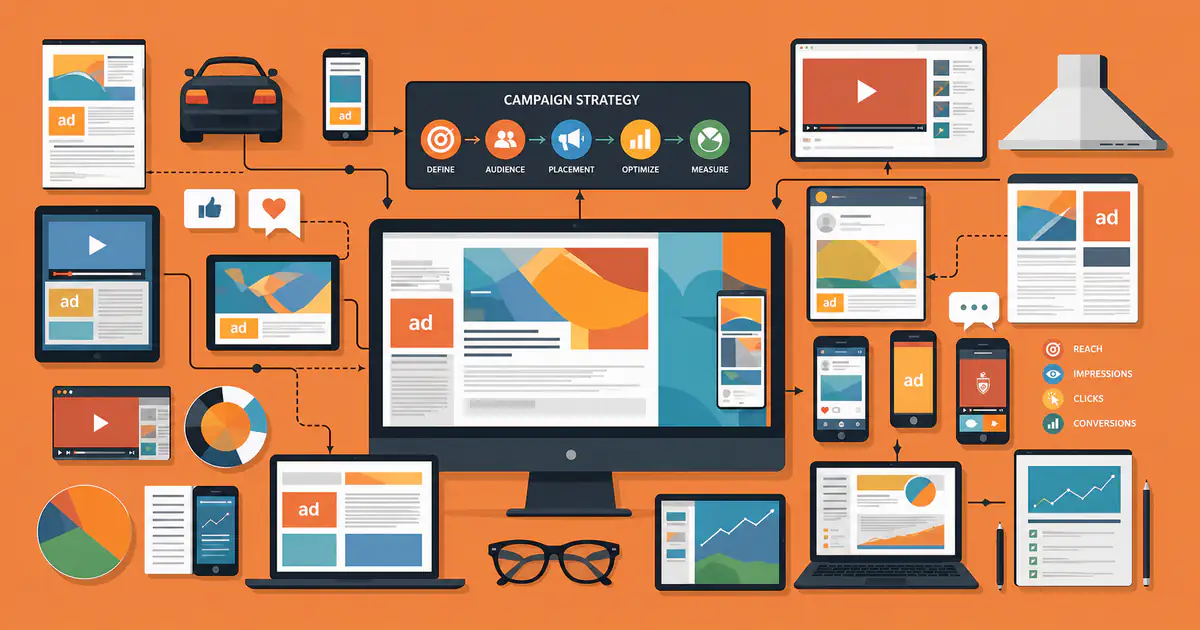
Strategic digital ad placements maximizing campaign visibility

In the dynamic world of digital marketing, the article "Strategic Ad Placements: Maximizing Visibility in the Digital Realm" provides an insightful guide on effectively maximizing visibility through strategic ad placements. It emphasizes the importance of understanding the digital ad ecosystem, including the evolution of advertising and audience behaviors on various platforms. The article offers practical techniques for enhancing visibility, such as SEO optimization and targeted advertising, and highlights the significance of engaging and interactive ad content. Through detailed case studies, it showcases successful strategies and the impact of well-executed ad placements. Additionally, it addresses common challenges and emerging trends, equipping businesses with the knowledge to navigate the complexities of digital advertising effectively. This comprehensive exploration underscores the critical role of strategic ad placements in elevating a brand's presence in the digital marketing landscape.

Introduction

Digital marketing constantly evolves. Firstly, mastering strategic ad placements is crucial for visibility. This article delves into effective ad placement intricacies. Furthermore, it's vital for marketers and businesses in the online environment. So, it guides you through understanding digital ad ecosystems. Moreover, it covers the art of ad placement. Also, it analyzes successful campaigns. Lastly, it prepares you for future trends.

Brief Overview of the Importance of Strategic Ad Placements in Digital Marketing

Strategic ad placements are crucial in digital marketing. They capture a target audience's attention effectively. Firstly, placing ads strategically across platforms enhances visibility. Moreover, it boosts engagement and impact. This section explores these principles. Furthermore, it covers the benefits of strategic placements in digital marketing.

Preview of the Article's Structure and Its Relevance to Marketers and Businesses

This article offers a detailed look at the digital ad ecosystem. It analyzes various platforms and audience behaviors. Also, it covers ad placement strategies. We will explore successful campaign case studies. Moreover, we'll examine emerging trends. This provides valuable insights for marketers and businesses. Such knowledge is vital for effective digital marketing in today's competitive online world.

Understanding Digital Ad Ecosystems

Understanding digital ad ecosystems is key for marketers. It helps maximize ad visibility. This section covers digital advertising's evolution. It details various digital platforms. Also, it analyzes audience demographics and behaviors. Furthermore, it offers strategies for choosing the right platforms for ads.

The Evolution of Digital Advertising: A Brief History and the Current State

Digital advertising has transformed significantly. It evolved from simple banner ads to targeted campaigns. This evolution offers more precision and effectiveness. This segment highlights key milestones and current trends. It sets the stage for understanding today's ad ecosystems.

Overview of Digital Platforms: Description of Various Digital Platforms (Social Media, Search Engines, Websites, Apps) and Their Unique Characteristics

In digital marketing, various platforms offer unique ad placement challenges. Social media, search engines, websites, and apps each have distinct advantages. Each platform serves different audience segments and behaviors. So, tailored strategies are necessary for effective ad placements. This section gives an in-depth look at these platforms. It discusses their characteristics and how to use them for maximum ad visibility.

Audience Demographics and Behaviors: Analysis of the Different Audiences on These Platforms and Their Behaviors

Understanding audience demographics and behaviors is crucial for ad placement. This section analyzes how groups interact with ads on different platforms. It includes their preferences and engagement patterns. Also, it looks at response behaviors. These insights help marketers create targeted and impactful strategies.

Platform Selection Strategy: Guidelines on How to Choose the Right Platforms for Specific Advertising Goals

Choosing the right ad placement platform is strategic. It greatly impacts digital marketing campaign success. This article part offers guidelines for selecting suitable platforms. It considers advertising goals, target audience, and product or service nature. It provides a decision-making framework aligned with marketing objectives.

The Art of Ad Placement

Mastering ad placement art is essential for impactful digital marketing. This section explores key ad placement principles. It covers techniques to enhance visibility and engagement tactics. Also, it discusses interactive ads. Moreover, it emphasizes A/B testing and continuous improvement in ad strategies.

Key Principles of Ad Placement: Explaining Visibility, Relevance, and Timing

Effective ad placement relies on visibility, relevance, and timing. High visibility ensures a large audience sees your ads. Relevance connects ads with the right audience. Optimal timing presents ads when the audience is receptive. This section explores these principles in depth. It provides insights for crafting successful ad campaigns.

Techniques for Maximizing Visibility: Discussing Strategies Such as SEO Optimization, Targeted Advertising, and Content Integration

Maximizing ad visibility involves strategies like SEO optimization and targeted advertising. Also, content integration is key. This segment explores how to use these techniques effectively. SEO optimization boosts ad visibility in search results. Targeted advertising reaches a specific audience. Content integration blends ads into engaging content seamlessly.

Engagement Tactics: Tips on Creating Interactive and Engaging Ads

Creating interactive and engaging ads is crucial for audience attention. This article part offers practical design tips. It covers using compelling visuals and interactive elements. Also, it includes storytelling to resonate with viewers. These tips encourage audience interaction.

A/B Testing and Continuous Improvement: The Role of Experimentation in Improving Ad Placement

A/B testing and continuous improvement refine ad placement strategies. This section highlights experimenting with ad elements like copy and design. It guides readers through A/B testing. Also, it shows how to use results for data-driven campaign improvements.

Case Studies: Successful Ad Placement Campaigns

This section presents case studies of successful ad campaigns. It includes detailed analyses on various platforms. Also, it highlights the strategies used and outcomes achieved. These provide valuable lessons and insights for marketers and businesses.

Case Study 1: A Detailed Analysis of a Successful Ad Campaign on Social Media, Focusing on Techniques Used and Outcomes Achieved

The first case study explores a successful social media ad campaign. It details strategies like targeting and content creation. Also, it covers engagement tactics and analyzes outcomes. These include reach, engagement, and conversion rates. This case study shows how well-planned ad placements achieve social media success.

Case Study 2: Examination of a Successful Search Engine Advertising Campaign, Highlighting Strategy and Metrics

The second case study explores a successful search engine ad campaign. It showcases strategic keyword use and ad copy optimization. Also, it covers targeting techniques. We examine key success metrics like click-through and conversion rates. This analysis offers insights into search engine advertising effectiveness and data-driven strategies.

Case Study 3: An Overview of a Cross-Platform Ad Campaign, Discussing Integration and Results

The third case study focuses on a cross-platform ad campaign. It highlights integrating various digital platforms for a cohesive strategy. The campaign was tailored for different platforms with a unified message. We analyze results in terms of reach, engagement, and synergistic success.

Lessons Learned: Summarizing Key Takeaways from These Case Studies

The 'Lessons Learned' section summarizes key case study takeaways. It provides actionable insights and best practices. These include understanding audience behavior and platform-specific strategies. Also, it covers integrated marketing approaches for maximizing ad visibility and engagement.

Challenges and Solutions in Digital Ad Placements

Navigating digital ad placement challenges is crucial for marketing success. This section addresses obstacles like ad blindness and algorithm changes. It offers strategic solutions and best practices. These ensure effective ad placement in the digital landscape.

Common Challenges: Identifying Typical Obstacles Faced in Digital Ad Placements (e.g., Ad Blindness, Platform Algorithm Changes)

Digital advertising faces challenges like ad blindness and algorithm changes. These can hinder ad placement effectiveness. This section identifies these obstacles. It explores their impact on ad visibility and audience engagement. Understanding these challenges helps marketers create more effective strategies.

Strategic Solutions: Offering Solutions and Best Practices to Overcome These Challenges

To counter digital ad placement challenges, this section offers strategic solutions. It covers techniques for engaging, creative ads against ad blindness. Also, it includes adapting to platform algorithms with agile strategies. These solutions help marketers optimize ad placements for better performance.

Staying ahead in digital advertising means understanding emerging trends. This section explores how technologies like AI and AR/VR shape ad placements. It offers insights into potential digital ad landscape changes. This guides marketers to prepare for future shifts and opportunities.

Emerging Technologies: Discussion on How AI, AR/VR, and Other Technologies are Shaping the Future of Ad Placements

Emerging technologies like AI, AR, and VR are revolutionizing ad placements. Moreover, our advanced ad placement framework demonstrates how AI can optimize multi‑channel campaigns for small businesses. This segment discusses their integration into digital advertising. Furthermore, it explores their potential impact on ad effectiveness. Lastly, it looks at how they will change future ad placements.

In this section, predictions about the future of the digital ad landscape will be presented. It will explore anticipated trends, such as the increasing importance of data privacy, the shift towards more personalized and immersive ad experiences, and the potential implications of these trends for digital advertising strategies. This forward-looking perspective will help marketers and businesses prepare for and adapt to the future changes in the digital realm.

Conclusion

In concluding this comprehensive exploration of strategic ad placements in the digital realm, we'll recap the key points covered in the article and offer encouragement for businesses to adopt these strategies. This section will also provide closing remarks on the dynamic nature of digital advertising and emphasize the importance of continuous learning and adaptation.

Recap of the Key Points Discussed in the Article

This concluding segment will summarize the crucial aspects of strategic ad placements discussed throughout the article. It will revisit the importance of understanding digital ad ecosystems, mastering the art of ad placement, learning from successful case studies, navigating challenges, and staying informed about future trends. This recap aims to reinforce the key learnings and provide a concise reference for readers.

Encouragement for Businesses to Adopt Strategic Ad Placements for Better Visibility and Engagement in the Digital Realm

Businesses are encouraged to integrate the insights and strategies outlined in this article into their digital marketing efforts. Emphasizing the benefits of strategic ad placements, this part will motivate businesses to focus on maximizing visibility and engagement through thoughtful, data-driven advertising approaches in the digital realm.

Closing Remarks on the Dynamic Nature of Digital Advertising and the Need for Continuous Learning and Adaptation

The final remarks will highlight the dynamic and ever-evolving nature of digital advertising. It will stress the importance of staying adaptable, embracing new technologies, and continuously learning to keep up with the rapid changes in the digital landscape. This section will encourage marketers and businesses to view these challenges as opportunities for growth and innovation in their advertising strategies.

Additionally, think about entrusting your marketing needs to professionals. Toklis Solutions offers tailored services that ensure precise and objective-focused marketing campaigns.

Mastering Direct Mail Campaigns: Modern Approach

· 10 min read
TokLis Solutions
Software delivery and digital marketing insights

Modern direct mail campaign strategy with analytics and audience targeting

In today's digital-dominated marketing landscape, Direct Mail Campaigns have undergone a significant resurgence, proving their timeless efficacy. This article explores the nuanced world of Direct Mail Marketing, demonstrating how integrating Direct Mail Content with digital strategies creates a powerful, multi-faceted approach. We delve into the psychology behind Direct Mail, the importance of cohesive content, and the innovative techniques that are reshaping its role in modern marketing strategies, emphasizing its enduring relevance and adaptability.

Introduction to Direct Mail in the Digital Age

In the ever-evolving landscape of digital marketing, Direct Mail Campaigns have experienced a renaissance, proving their lasting relevance. This resurgence is not just a nod to nostalgia but a strategic recognition of the unique advantages of Direct Mail Marketing. Bridging the gap between physical and digital realms, Direct Mail offers a tangible, personal touch that digital channels often lack. This blend of the old and the new underscores the persistent appeal of Direct Mail Content, marking its significance in a comprehensive marketing strategy.

Crafting Effective Direct Mail Content

The art of crafting Direct Mail Content lies in understanding the psychology that drives consumer response. To create compelling Direct Mail, marketers must focus on clarity and conciseness, ensuring the message is both straightforward and impactful. Visual design plays a critical role in engaging the recipient, while personalization elevates the relevance of the content. These elements work in harmony to produce Direct Mail pieces that not only capture attention but also resonate with the audience on a personal level.

Integrating Direct Mail with Digital Campaigns

Combining Direct Mail with digital marketing strategies creates a powerful synergy. This integration leverages the strengths of both physical and digital channels, enhancing the overall impact of marketing campaigns. Effective integration involves using data-driven insights to create cohesive multi-channel campaigns, tracking and measuring cross-channel impact for continuous improvement. Through strategies like unified branding and leveraging digital insights to inform Direct Mail efforts, marketers can achieve a seamless integration that resonates with their audience.

Advanced Techniques in Direct Mail Campaigns

Innovation in Direct Mail Campaigns involves exploring new formats and technologies to enhance engagement. Interactive and sensory elements can transform traditional mail pieces into memorable experiences, while the integration of QR codes and augmented reality bridges the gap between physical mail and digital interaction. Segmenting and targeting strategies, underpinned by data-driven insights, enable marketers to craft custom campaigns that cater to specific niche audiences, maximizing the impact and relevance of their Direct Mail efforts.

The Future of Direct Mail in a Digital-First World

As we look towards the future, Direct Mail Marketing is poised to adapt and thrive in a digital-first world. Emerging trends and technological advancements offer exciting opportunities to balance tradition with innovation. Adapting Direct Mail strategies to fit into the evolving marketing landscape ensures that this time-honored method continues to be an effective tool in the marketer's arsenal. The evolution of Direct Mail, in harmony with digital trends, signifies its enduring role in a comprehensive marketing strategy.

The Digital Age Renaissance of Direct Mail

The resurgence of Direct Mail in the digital era is a testament to its enduring effectiveness. Despite the digital inundation, Direct Mail stands out for its physicality and personal touch. This renaissance highlights how tactile experiences can complement digital communications, offering a break from the screen-centric world. By leveraging the unique qualities of Direct Mail, marketers can create memorable, impactful campaigns that resonate deeply with their audience.

Bridging the Physical-Digital Divide

Integrating Direct Mail with digital strategies bridges the gap between the physical and digital realms. This convergence allows marketers to leverage the best of both worlds, creating a comprehensive, multi-dimensional approach. By synchronizing Direct Mail campaigns with digital efforts, such as social media and email marketing, businesses can enhance the effectiveness of their overall marketing strategy, ensuring a more cohesive and engaging experience for their audience.

The Persistent Appeal of Tangible Communication

The tangible nature of Direct Mail gives it a persistent appeal, especially in an increasingly digital world. The physical aspect of Direct Mail creates a sense of personal connection and tangibility that digital communications often lack. This physicality can make Direct Mail more memorable and engaging, leading to higher response rates and better overall campaign performance.

Understanding the Psychology Behind Direct Mail Response

Understanding the psychological factors that drive responses to Direct Mail is crucial for crafting effective campaigns. The tactile experience of receiving and interacting with physical mail can trigger emotional responses and create a more memorable impression. This psychological connection can increase engagement and response rates, making Direct Mail a powerful tool in a marketer's arsenal.

Key Elements of Compelling Direct Mail

Compelling Direct Mail is characterized by several key elements, including clarity, visual impact, and personalization. Clear and concise messaging ensures that the recipient quickly understands the value proposition, while visually appealing designs capture attention and engage the audience. Personalization makes the content more relevant and appealing to the individual, increasing the likelihood of a positive response.

Clarity and Conciseness: The Core of Direct Mail Messaging

The effectiveness of Direct Mail lies in its ability to communicate a clear and concise message. In a world where attention spans are short, Direct Mail pieces must quickly convey their purpose and value. This approach ensures that the key message is immediately understood, increasing the likelihood of engagement and response. Clarity and conciseness are not just stylistic choices but strategic imperatives in creating successful Direct Mail campaigns.

Visual Impact: Designing for Immediate Engagement

The visual design of Direct Mail plays a pivotal role in capturing the recipient's attention. A well-designed piece can make a lasting impression, enticing the recipient to engage further with the content. This engagement is critical in a crowded marketplace where visual appeal can be the deciding factor in whether a piece of mail is read or discarded. Effective design combines aesthetic appeal with clear messaging, making Direct Mail both eye-catching and informative.

Personalization: The Key to Direct Mail Relevance

Personalization is a powerful tool in Direct Mail Marketing, transforming generic messages into tailored communications that resonate with the recipient. By leveraging data and insights, marketers can create highly personalized content that speaks directly to the interests and needs of the individual. This level of customization enhances the relevance and impact of Direct Mail, leading to higher engagement and response rates.

Leveraging Data for Cohesive Multi-Channel Campaigns

In integrating Direct Mail with digital campaigns, leveraging data is essential for creating cohesive and effective multi-channel strategies. Data allows marketers to understand their audience better, tailor messages, and ensure consistency across channels. By using data-driven insights, businesses can create a unified marketing experience that seamlessly blends Direct Mail and digital efforts, maximizing the impact of their campaigns.

Tracking and Measuring Cross-Channel Impact

Effective integration of Direct Mail and digital campaigns requires careful tracking and measurement of cross-channel impact. By analyzing the performance of both physical and digital components, marketers can gain valuable insights into customer behavior and campaign effectiveness. This data-driven approach allows for continual optimization of marketing strategies, ensuring that both Direct Mail and digital efforts are aligned and working together to achieve the desired outcomes.

Creating a Unified Brand Experience Across Channels

In the realm of multi-channel marketing, creating a unified brand experience is paramount. Direct Mail Campaigns should echo the look, feel, and message of digital channels, forming a cohesive brand narrative. This alignment ensures that whether a customer interacts with a brand online or through a tangible mail piece, they receive a consistent experience. This consistency reinforces brand identity and helps in building a stronger, more trustworthy relationship with the audience.

Using Digital Insights to Enhance Direct Mail Effectiveness

The infusion of digital insights into Direct Mail Marketing is a game-changer. By analyzing digital behavior and preferences, marketers can fine-tune their Direct Mail strategies for greater relevance and impact. This integration allows for more targeted and personalized mail content, aligning with the interests and behaviors demonstrated by consumers in the digital space. This strategic alignment ensures that Direct Mail Campaigns are not only well-received but also highly effective in driving desired actions.

Case Studies: Successful Physical-Digital Campaign Integrations

Case studies of successful integrations between Direct Mail and digital campaigns offer valuable insights into the practical application of multi-channel marketing strategies. These examples demonstrate how combining the tactile impact of Direct Mail with the reach and precision of digital tactics can lead to increased engagement, higher response rates, and more effective overall marketing campaigns.

Interactive and Sensory Elements in Mail Pieces

The integration of interactive and sensory elements in Direct Mail pieces marks a significant advancement in Direct Mail Marketing. By engaging multiple senses and encouraging physical interaction, these innovative mail pieces create a memorable experience that stands out in the recipient's mind. Whether through textured materials, scented inks, or interactive components, these elements add a level of engagement that purely digital channels cannot replicate.

Integrating QR Codes and Augmented Reality

The use of QR codes and augmented reality in Direct Mail brings a digital dimension to physical mail pieces. These technologies bridge the gap between the tangible and digital worlds, offering an interactive experience that can deepen engagement and provide measurable insights. By scanning a QR code or interacting with augmented reality elements, recipients can access digital content, offers, or experiences, seamlessly connecting the physical mail piece with digital channels.

Data-Driven Targeting Strategies

In Direct Mail Marketing, employing data-driven targeting strategies is crucial for maximizing campaign effectiveness. By analyzing customer data, marketers can segment their audience and tailor Direct Mail content to specific groups. This targeted approach ensures that each mail piece is relevant to its recipient, increasing the likelihood of engagement and response. Data-driven targeting not only enhances the personalization of Direct Mail but also improves overall campaign ROI by focusing resources on the most responsive segments.

Crafting Custom Campaigns for Niche Audiences

Crafting custom campaigns for niche audiences is a fine art in Direct Mail Marketing. It involves a deep understanding of the specific needs, preferences, and behaviors of targeted segments. By creating Direct Mail content that speaks directly to these niche groups, marketers can forge a stronger connection and elicit a more robust response. Custom campaigns demonstrate a commitment to understanding and addressing the unique aspects of different market segments, thereby fostering greater loyalty and engagement.

As we look towards the future, several emerging trends and predictions are shaping the landscape of Direct Mail Marketing. Innovations in technology, design, and personalization are pushing the boundaries of what's possible, offering new ways to capture the attention and imagination of recipients. Staying abreast of these trends is vital for marketers looking to leverage Direct Mail in the most impactful and efficient way.

Balancing Tradition and Innovation in Direct Mail

The challenge and opportunity for marketers lie in balancing tradition and innovation in Direct Mail. While it’s important to honor the time-tested principles of Direct Mail Marketing, embracing new technologies and approaches can enhance its effectiveness. This balance ensures that Direct Mail remains a relevant and powerful tool in a marketer's toolkit, even as digital channels continue to evolve.

Concluding Thoughts on the Evolution of Direct Mail

In conclusion, the evolution of Direct Mail in the digital age is a story of adaptation and resilience. As marketing strategies become increasingly digital, the role of Direct Mail has transformed, offering a tangible, personalized counterpoint to online channels. Its continued relevance is a testament to its ability to adapt, innovate, and integrate with digital strategies, ensuring that Direct Mail remains an indispensable part of modern marketing campaigns.

Also, consider delegating your marketing to experts. Toklis Solutions provides specialized services to meet your requirements, guaranteeing accurate and goal-aligned marketing campaigns.